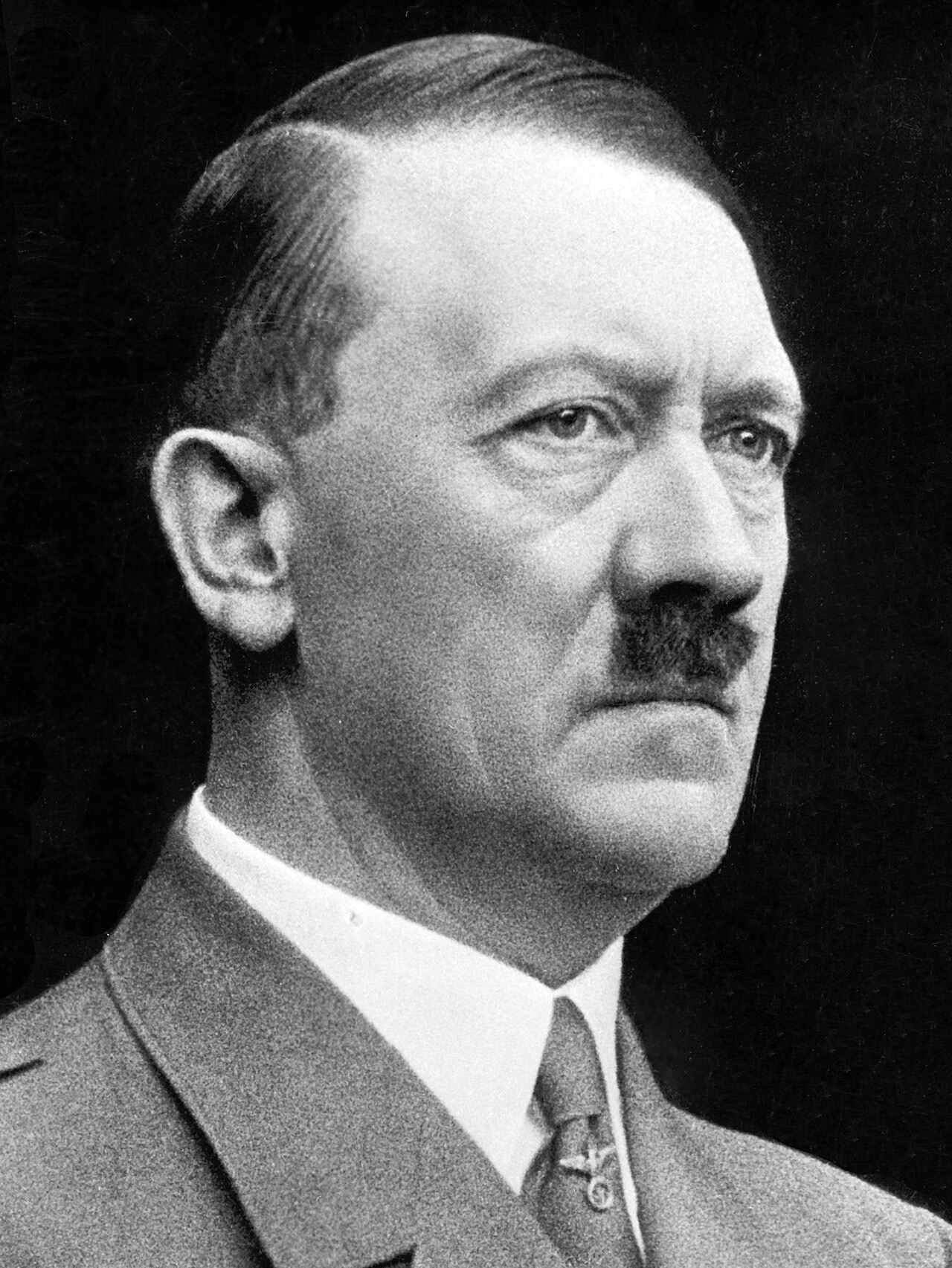
The same date can frame both rise and collapse, hope and catastrophe. January 30 is such a date – a day which, separated by twelve years, marks the beginning and the end of Hitler rule and one of the darkest political experiments of the twentieth century.
The Day Power Was Handed Over
On January 30, 1933, Adolf Hitler was appointed Chancellor of Germany. In collective memory this moment is often described as a “seizure of power,” but the term is misleading. It was coined by Nazi propaganda. In reality, power was not seized by force – it was handed over, legally, by President Paul von Hindenburg.
The paradox becomes clearer when viewed in context. Only months earlier, the National Socialist Party appeared to be losing momentum. The election results of late 1932 showed declining support, the party was facing serious financial difficulties, and the economic crisis seemed to be easing. Many believed that Hitler’s political moment had passed.
And yet, precisely at this moment of apparent decline, he reached the pinnacle of power.
The Illusion of Control
Hitler’s appointment was not the result of a popular uprising or revolution, but of political maneuvering, personal ambitions, and grave miscalculations. Within Germany’s conservative elite, the belief prevailed that the radical leader could be used and restrained. He was expected to be contained by traditional politicians, the president, and the institutions of the state.
This belief proved fatal. It rested on a profound underestimation not only of Hitler himself, but of the destructive potential of the ideology he embodied. As historian Ian Kershaw later observed, Hitler was neither an inevitable outcome of history nor a mere accident. He was the product of a time in which democracy had already been weakened, fear outweighed reason, and compromises with fundamental principles were mistaken for pragmatism.
From Political Decision to Global Catastrophe
From that January day in 1933 began a rapid dismantling of the rule of law. Civil liberties were curtailed, political opponents eliminated, and society mobilized through propaganda and fear. Germany became a dictatorship, and Europe the stage for the most devastating war the world had ever known.
The scale of the consequences defies comprehension. Tens of millions of lives were lost, entire communities were annihilated, and the moral foundations of civilization were shaken. And yet it all began not with gunfire, but with a signature.
The Last Illusion
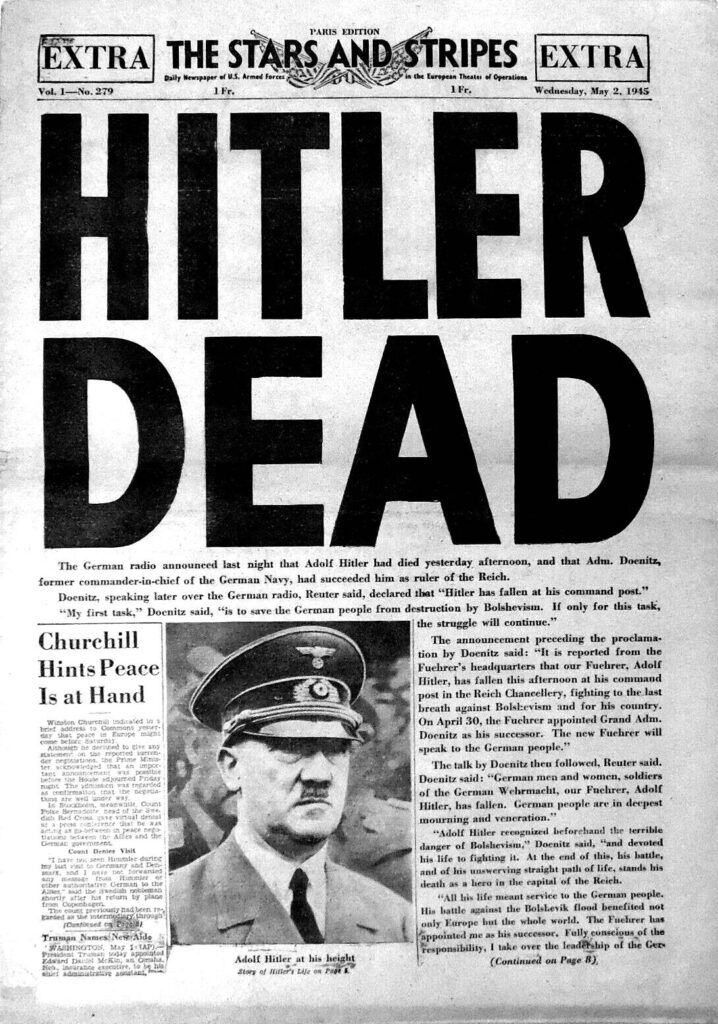
Twelve years later, again on January 30, the same man addressed the German people for the final time. The year was 1945. The war was lost, though not officially admitted. Soviet troops were advancing rapidly toward Berlin, cities lay in ruins, and the state that was meant to last a thousand years was collapsing.
Still, in his final radio address, Hitler called for fanatical resistance and spoke of ultimate victory. His words echoed from a reality that no longer existed. This was no longer the speech of a political leader, but of a man detached from the world around him. On this day, history’s symmetry was complete: the same date that marked the ascent of power now witnessed its moral and political ruin.
What This Date Tells Us
January 30 is more than a coincidence on the calendar. It is a warning. History shows that catastrophes rarely arrive suddenly. They are prepared slowly, through concessions, self-deception, and the abdication of responsibility. In 1933, many believed the situation was under control. In 1945, nothing remained to control.
In this sense, the question of whether it could have been prevented remains open. But one thing is certain: nothing that happened was magically inevitable. The decisions were human – and so were their consequences.
The Lesson
The story of these twelve years teaches a simple yet difficult truth: democracy does not collapse overnight. It erodes gradually, when institutions are undermined, when fear overrides judgment, and when evil is underestimated because it appears temporary or useful.
On January 30, 1933, few recognized the approaching catastrophe.
On January 30, 1945, it was already irreversible.
- Открадната история: Операция „МАРАТОН“ и кражбата на „История славянобългарска“

- Открадната история: Как от Лувъра изчезнаха бижута за 88 милиона евро за 8 минути
- Открадната история: редки книги за 3,2 милиона долара, сред които първи издания на Галилей и Нютон, са открити в къща в Румъния
- Открадната история: нюйоркски колекционер връща 180 артефакта от 11 държави на стойност 70 милиона долара

- Христо Кръстев: сред победителите във въздушния бой на 1 август 1943 г.
- Петър Бочев: последният полет на един български летец

Вашият коментар