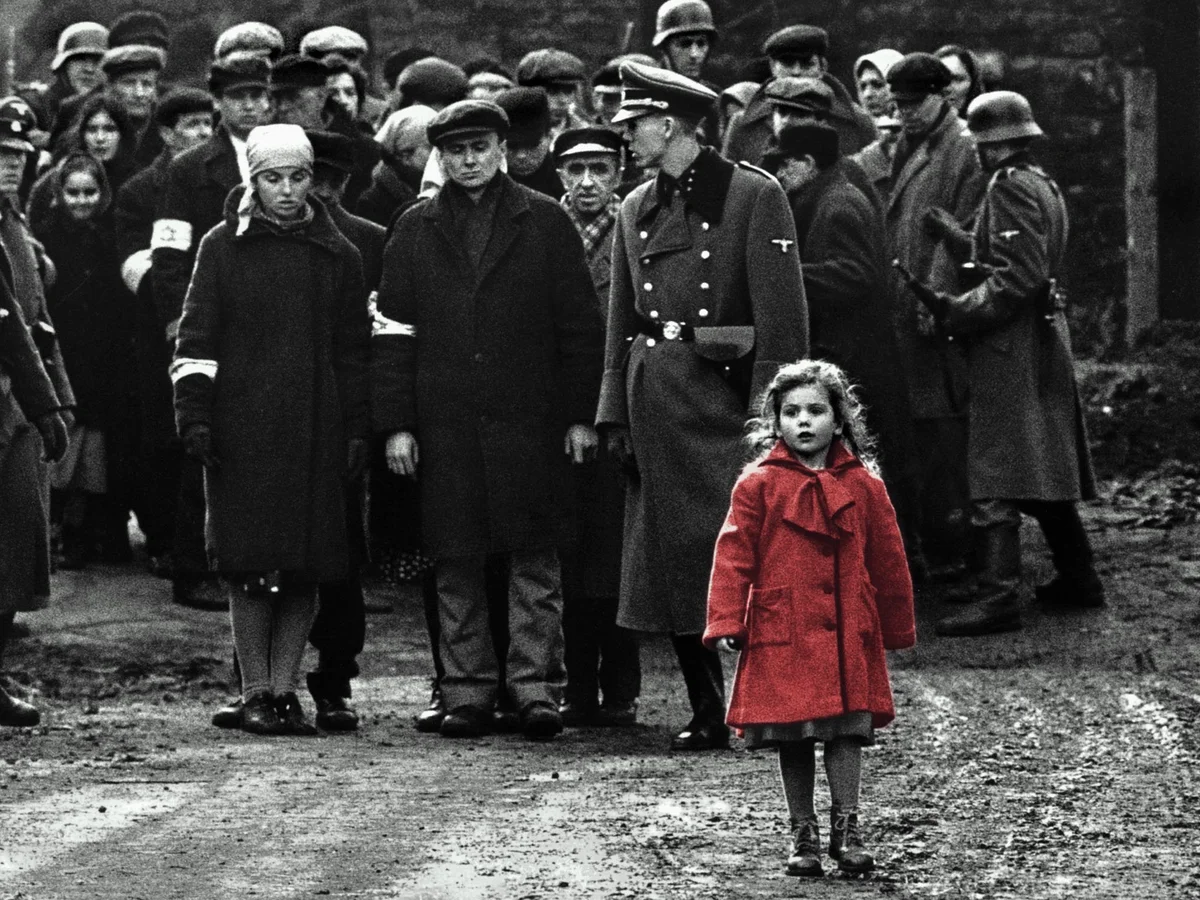
Steven Spielberg’s Schindler’s List remains one of the most powerful cinematic testimonies to humanity in a time of unimaginable cruelty. Shot in stark black and white, the film immerses us in the horror of the Holocaust, but it also reveals flashes of compassion and moral courage that saved lives when the world seemed lost.
Although the film is a work of art, many of its most striking scenes are rooted in real events. Behind every act of brutality, every desperate moment, and every miracle of survival, there are real people whose stories are sometimes even more dramatic than what we see on screen. Among them are two remarkable individuals: Diana Reiter and Leo Rosner.
Diana Reiter – The Architect Who Refused to Stay Silent
One of the most unforgettable scenes in Schindler’s List is the moment when a young Jewish woman dares to tell the camp commandant, Amon Göth, that the foundation of a building is structurally unsound. In the film, Göth shoots her on the spot — a chilling portrayal of the absolute power he wielded over life and death.
This scene is inspired by the true story of Diana Reiter, one of the first female architects in Kraków. Born into a Jewish family, she graduated from the Lviv Polytechnic in 1927, at a time when few women had access to higher technical education. In the interwar years she designed modern buildings throughout Poland, proving herself as a talented and determined professional.
Everything changed with the outbreak of the Second World War.
In 1943, Diana was sent to a labor camp in Kraków. Witnesses later recalled that she objected to structural flaws during the construction of a building in the camp — and that her refusal to remain silent cost her her life. She was executed by an SS officer under circumstances strikingly similar to those portrayed in the film.
Spielberg’s scene serves as a tribute to her integrity and courage.
Diana Reiter was not just a victim of brutality — she was a professional who held onto truth, competence, and dignity even when speaking up meant facing death. Her real story reminds us that resistance takes many forms, and that moral courage can shine even in the darkest of places.
Leo Rosner – The Musician Whose Melodies Saved His Life
Another real figure behind Schindler’s List is Leo Rosner, a young accordionist who, along with his brother Henry, was sent to the Plaszów concentration camp in 1943. Both brothers were gifted musicians, and their talent quickly drew the attention of Amon Göth.
Göth forced them to perform at parties and evening gatherings for SS officers — events that combined terror with grotesque entertainment.
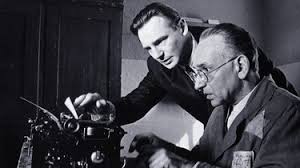
Years later, Leo described the surreal horror of those nights:
“Dressed in evening tuxedos, trembling with fear, we played while they drank and danced. One night Göth pressed a gun to my forehead, forced vodka down my throat, and commanded me to keep playing.”
Yet in this nightmare, something unexpected happened.
Among the guests one evening was Oskar Schindler. Hearing the music of the Rosner brothers, he took notice — not only of their skill, but of their vulnerability. Later, both Leo and Henry Rosner appeared on Schindler’s famous list, which meant the difference between life and death.
After the war, the brothers emigrated to Australia, where they continued to play music. Their performances became a living memory — a tribute to those who did not survive, and a reminder of the strange ways in which art can preserve hope even in the midst of terror.
From Film to Memory: Why These Stories Still Matter
Schindler’s List is more than a film. It is a monument — a cinematic memorial to hundreds of thousands of people whose lives were shattered by the Holocaust. By weaving together real events and carefully researched testimonies, Spielberg ensured that the memories of individuals like Diana Reiter and Leo Rosner would not fade into the anonymity of history.
Their stories, though small in scale compared to the vast tragedy of the Holocaust, illuminate something essential: courage, dignity, and humanity can survive even in the face of absolute evil.
Diana Reiter’s insistence on truth and professional integrity, and Leo Rosner’s music that unexpectedly became a lifeline, remind us that each life holds a story worth remembering. And when cinema brings those stories to the world, the past becomes more than history — it becomes a warning, a lesson, and a call for compassion.
Вашият коментар