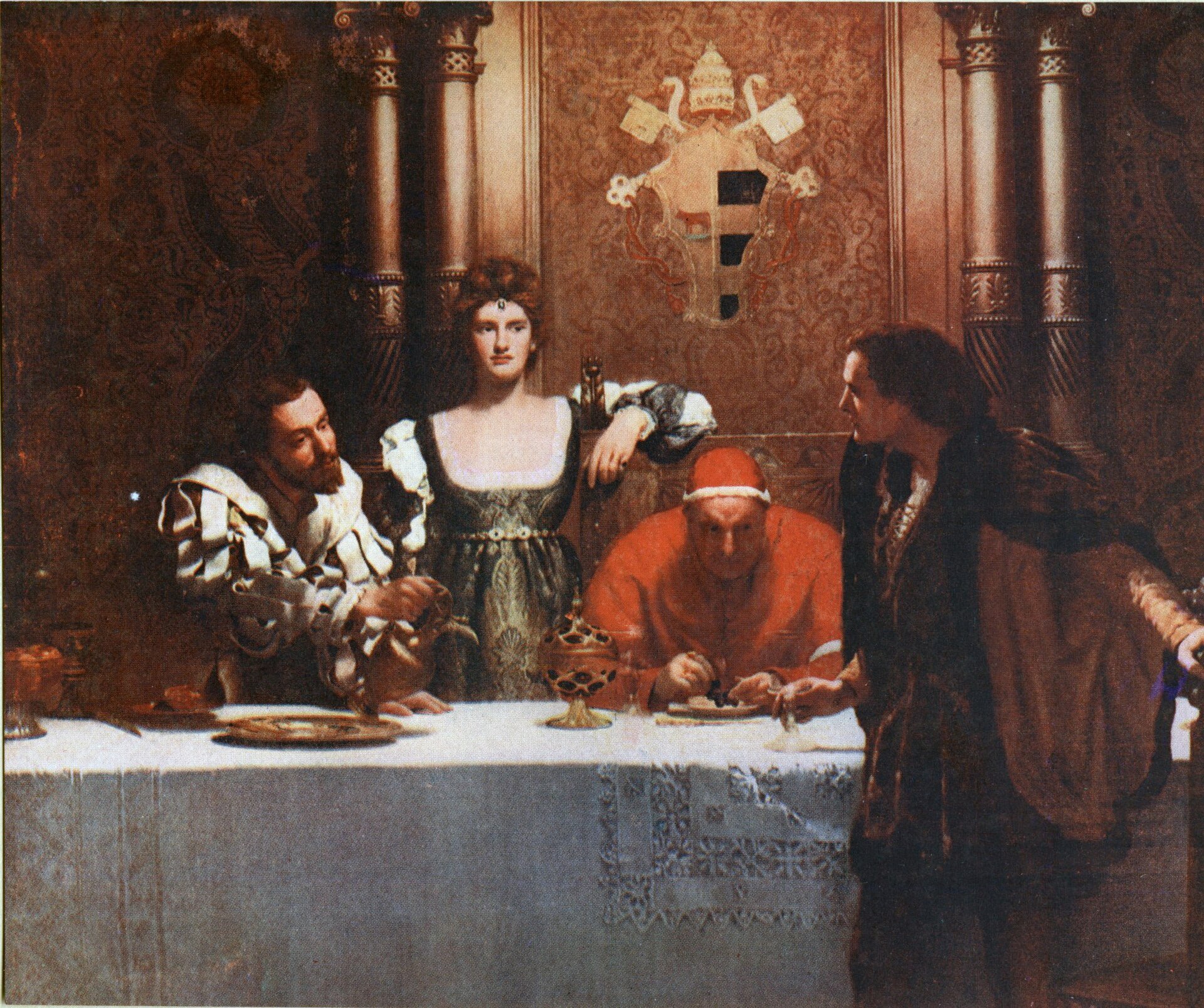
When the power of the Borgia family collapsed in the early sixteenth century, it did so with a speed that seemed to confirm the fragility of their rise. The death of Rodrigo Borgia in 1503 removed the central figure upon whom their influence depended, and the subsequent fall of Cesare Borgia appeared to bring an end to their ambitions in Italy.
Yet the disappearance of their political power did not mean the disappearance of the family itself.
The question of what happened to the Borgias after their fall reveals a story that is less dramatic, but in many ways more complex, than the one that preceded it. It is a story not of sudden extinction, but of transformation, adaptation, and gradual obscurity.
The Immediate Aftermath
The years following the death of Alexander VI marked a decisive turning point. Without the authority of the Papacy, the network that had sustained Borgia influence in Italy rapidly disintegrated. Territories that had been consolidated under Cesare’s leadership returned to papal control or were absorbed by other powers.
Cesare himself, once one of the most formidable figures in Italy, found his position untenable. After a period of resistance and negotiation, he was ultimately removed from the Italian political stage. His later years, spent largely outside Italy, reflected the loss of the power base he had sought to establish.
The fall of Cesare signaled the end of the Borgia project in Italy. Without military strength, territorial control, or papal backing, the family could no longer function as a dominant political force.
Survival Beyond Italy
Although their influence in Italy declined, the Borgias did not vanish entirely. Their origins lay in Spain, where the family had established itself before its rise in Rome. It was in this context that the Borgia name continued.
Branches of the family remained integrated within the Spanish nobility, where their identity was shaped less by the dramatic events of Renaissance Italy and more by the structures of aristocratic life. In this environment, the name persisted without carrying the same immediate political weight it had once held.
This transition from Italian power to Spanish nobility represents a shift in both status and perception. The Borgias ceased to be central actors in major political conflicts and instead became part of a broader social hierarchy.
A Different Legacy: Francis Borgia
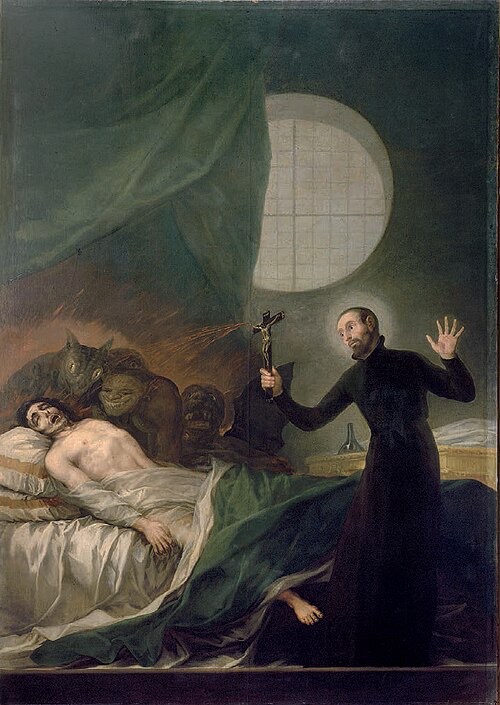
One of the most striking developments in the later history of the family is the life of Francis Borgia. A descendant of the Borgia line, he represents a departure from the image commonly associated with the family.
Born into Spanish nobility, Francis initially pursued a secular career, holding positions of authority and influence. However, his later decision to enter the Society of Jesus marked a profound transformation. He became known for his religious devotion and commitment to reform, eventually rising to a leading role within the Jesuit order.
His canonization as a saint reflects a legacy that contrasts sharply with the reputation of the earlier Borgias. It illustrates the extent to which the family’s history cannot be reduced to a single narrative.
The Persistence of the Name
Over time, the Borgia name continued to exist in various forms, though often detached from the dramatic associations of the Renaissance period. Descendants and related families maintained their positions within Spanish and European society, but without the concentrated power that had once defined the dynasty.
The absence of a unified political identity contributed to the gradual fading of the family’s influence. Unlike other dynasties that sustained power across generations, the Borgias lacked the continuity necessary to maintain their prominence.
Instead, their legacy became increasingly associated with their past rather than their present.
Myth, Memory, and Misconception
As the historical presence of the Borgias diminished, their cultural presence grew. Stories of intrigue, corruption, and excess continued to circulate, often becoming more elaborate with time.
This process reflects a broader pattern in which the decline of a political power can lead to the expansion of its symbolic significance. Freed from the constraints of contemporary reality, the Borgias became figures of imagination as much as of history.
In this context, questions about whether the family “survived” take on a different meaning. While the biological lineage continued, the political and cultural identity associated with the Borgias belonged increasingly to the past.
The Question of “Modern Borgias”
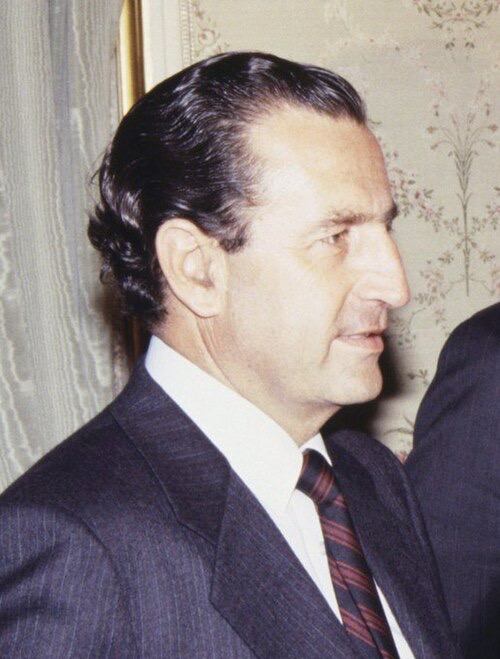
Occasionally, references emerge suggesting that individuals bearing the Borgia name have appeared in later political or social contexts. While it is true that the name persisted, such cases do not represent a continuation of the Renaissance dynasty in any meaningful sense.
The structures that had defined Borgia power no longer existed, and the conditions that had enabled their rise could not be recreated. Any modern connection to the name reflects lineage rather than influence.
This distinction is important in understanding the difference between historical continuity and historical legacy.
A Family That Became a Symbol
By the time the early modern period gave way to later centuries, the Borgias had ceased to function as a political force. What remained was their image—an image shaped by both historical events and the interpretations that followed.
They came to represent themes that extended beyond their own time: the pursuit of power, the intersection of religion and politics, and the tension between reputation and reality.
In this sense, the Borgias achieved a form of permanence not through continued influence, but through enduring symbolism.
Conclusion: Survival in a Different Form
The story of what happened to the Borgias after their fall is not one of disappearance, but of transformation.
Their political power ended with the collapse of the structures that had sustained it. Their family line continued, but without the influence that had once defined it. Their reputation, however, expanded, becoming part of a cultural narrative that has persisted for centuries.
To ask whether the Borgias survived is to confront the distinction between history and memory.
As a dynasty, they faded.
As a name, they endured.
As a legend, they became something far greater than either.
- Открадната история: Как от Лувъра изчезнаха бижута за 88 милиона евро за 8 минути
- Открадната история: редки книги за 3,2 милиона долара, сред които първи издания на Галилей и Нютон, са открити в къща в Румъния
- Открадната история: нюйоркски колекционер връща 180 артефакта от 11 държави на стойност 70 милиона долара
- Христо Кръстев: сред победителите във въздушния бой на 1 август 1943 г.
- Петър Бочев: последният полет на един български летец

- Стоян Стоянов: защитникът на София, който стана екскурзовод в Рилския манастир
Вашият коментар