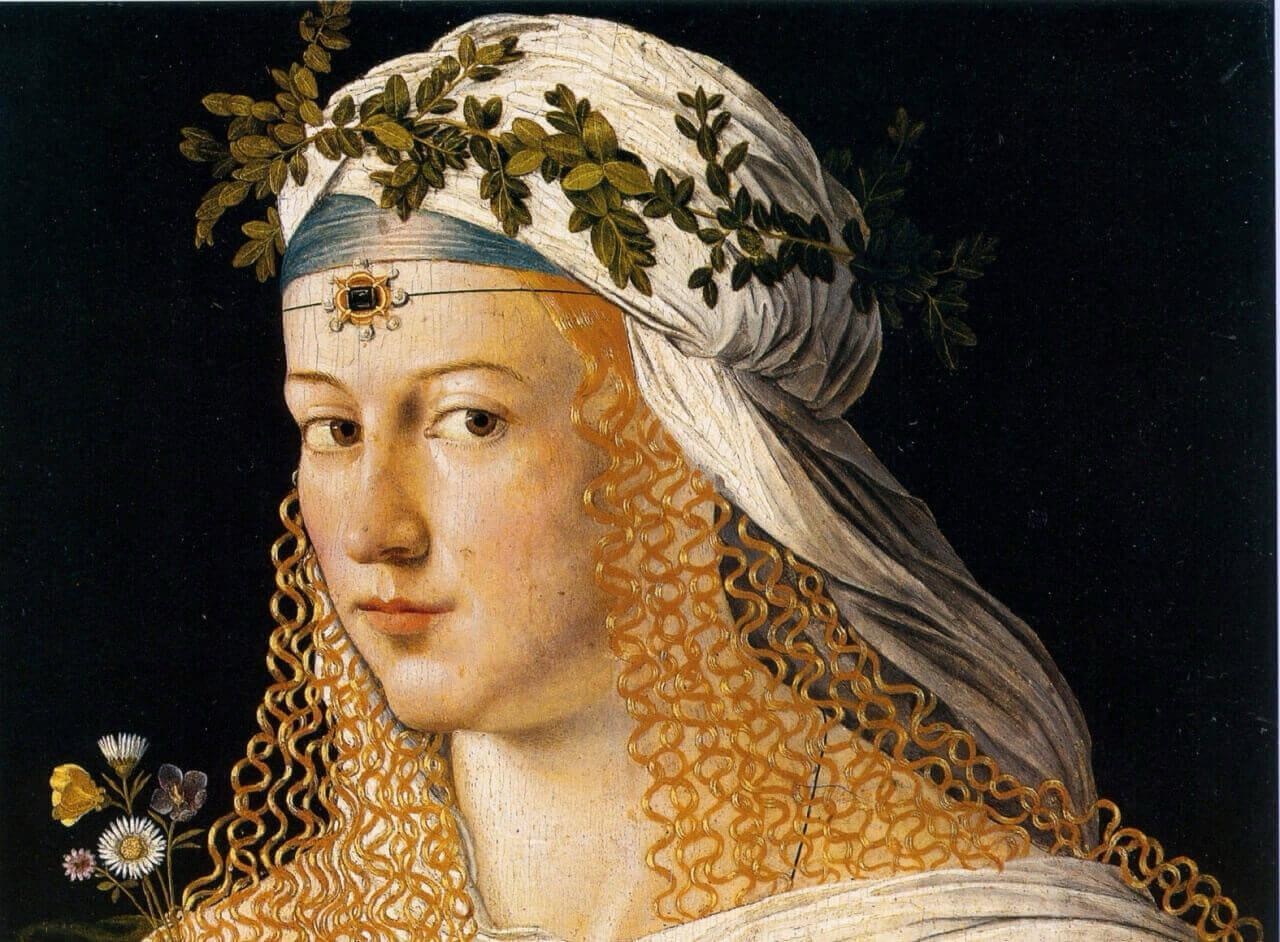
Few historical families have left such a lasting imprint not only on politics, but on culture and imagination, as the Borgias. While their rise and fall unfolded in the turbulent world of Renaissance Italy, their legacy did not end with their political decline. Instead, it continued to evolve, shaped by writers, artists, and historians who transformed their story into something that moved beyond history itself.
The figures of Rodrigo Borgia, Cesare Borgia, and Lucrezia Borgia gradually shifted from documented historical actors into symbols of power, ambition, and moral ambiguity. Over time, they came to represent not only events that took place in Renaissance Italy, but also the ways in which history can be reshaped through narrative.
To examine the Borgias in art and culture is therefore to explore not only how they were portrayed, but how those portrayals were constructed and sustained.
Early Narratives: Reputation in the Making
The cultural image of the Borgias began to take shape during their own lifetimes, though not in the form of art or popular storytelling as understood today. Instead, it emerged through diplomatic reports, chronicles, letters, and political commentary produced by contemporaries.
These sources often reflected the tensions of Renaissance Italy, where rival families and political factions competed not only for territory and influence, but also for reputation. Accounts written by observers—particularly those aligned against the Borgias—frequently emphasized scandal, ambition, and moral transgression.
While some of these descriptions were grounded in real events, others were shaped by hostility and rivalry. The distinction between observation and accusation was not always clear, and this ambiguity would play a central role in shaping how the Borgias were remembered.
These early narratives provided the foundation upon which later cultural representations would build.
The Romantic Era: Reinventing the Borgias
It was during the eighteenth and nineteenth centuries that the Borgias were transformed into figures of dramatic and artistic interest. Writers of the Romantic period, drawn to themes of passion, tragedy, and excess, found in the Borgias material that could be reshaped to fit the emotional and aesthetic priorities of their time.
Among the most influential figures in this process was Victor Hugo, whose play Lucrèce Borgia presented Lucrezia as a complex and conflicted character. Hugo’s interpretation blended historical elements with dramatic invention, emphasizing themes of identity, guilt, and redemption.
Similarly, Alexandre Dumas contributed to the popularization of the Borgias through historical writings that reinforced their association with intrigue and danger. Although not strictly fictionalized in the same way as Hugo’s work, these accounts played a significant role in shaping public perception.
These representations were not intended as precise historical reconstructions. Instead, they reinterpreted the Borgias in ways that reflected the concerns and sensibilities of a later era, amplifying certain aspects of their story while minimizing others.
Opera and Theatre: Drama on Stage
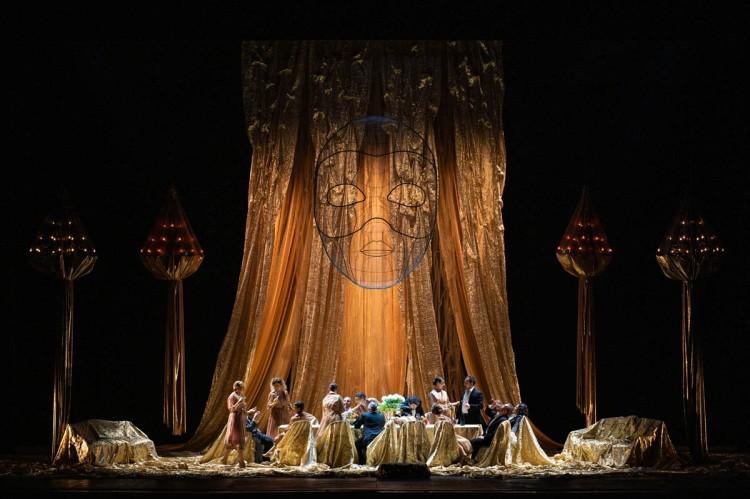
The dramatic qualities of the Borgia story made it particularly suited to theatrical and operatic adaptation. One of the most notable examples is the opera Lucrezia Borgia by Gaetano Donizetti, which premiered in 1833.
In this work, Lucrezia is depicted not merely as a figure of scandal, but as a tragic individual shaped by circumstance. The opera emphasizes emotional conflict and moral complexity, presenting her as a character caught between her past and her desire for redemption.
Such portrayals highlight the shift from historical narrative to dramatic interpretation. The focus moves away from strict accuracy toward emotional resonance, allowing audiences to engage with the story on a different level.
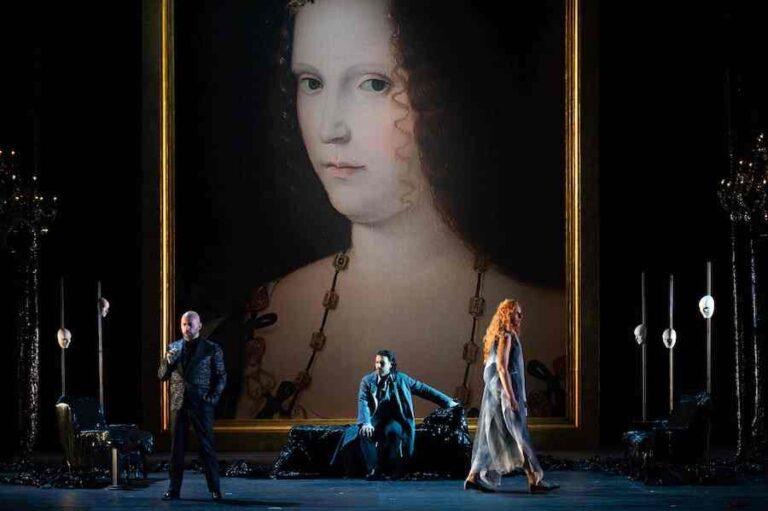
Rome, Lucrezia Borgia : la princesse Negroni et son cocktail fatal – Première Loge
Visual Art: Image and Symbol
The Borgias do appear in visual material from their own time, particularly in official portraits and commissions that emphasize status, authority, and legitimacy. However, these images do not reflect the dramatic and scandalous themes that later came to define their reputation.
It is in later artistic interpretations that these themes become more prominent. Paintings and illustrations produced in subsequent centuries often depict scenes of intrigue, excess, or implied danger, drawing on narratives established in literature and historical commentary.
These visual representations are not direct reflections of Renaissance reality. Rather, they are part of an evolving cultural image in which symbolism and storytelling take precedence over documentation.
Modern Media: The Borgias on Screen
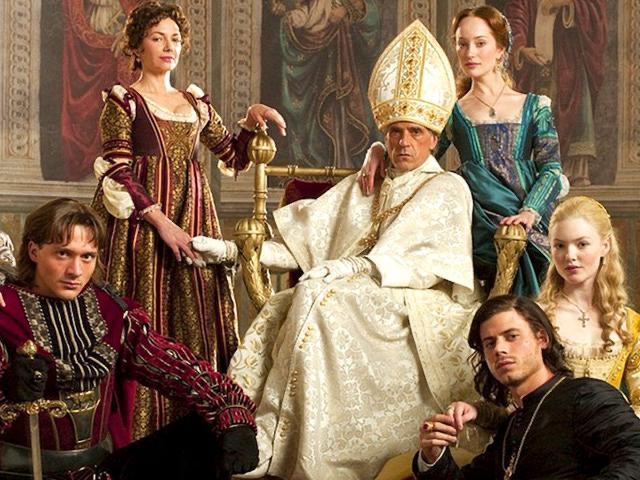
In the modern period, the story of the Borgias has been reinterpreted through film and television, reaching audiences far beyond the academic or literary sphere. Productions such as The Borgias (2011–2013) and Borgia (2011–2014) present dramatized versions of their lives.
These adaptations draw on historical events but often emphasize narrative tension, personal relationships, and visual drama. As in earlier artistic forms, they incorporate elements of speculation and interpretation to create compelling stories.
While they contribute to the continued visibility of the Borgias, they also reinforce the blending of fact and fiction that has characterized their cultural legacy.
Myth and Historical Interpretation
The enduring image of the Borgias illustrates the complex relationship between history and myth. Over time, the accumulation of narratives—ranging from contemporary reports to modern media—has produced a layered and often contradictory portrayal.
Historians have sought to reassess these narratives by examining sources critically and situating the Borgias within the context of Renaissance politics. This approach has led to more nuanced interpretations, particularly in the case of figures such as Lucrezia Borgia, whose reputation has often been shaped more by accusation than by evidence.
At the same time, the persistence of myth reflects the broader ways in which historical figures are remembered. Cultural representation does not simply record events; it interprets them, often in ways that align with the interests and values of later audiences.
Why the Borgias Endure
The continued fascination with the Borgias can be attributed to the themes their story embodies. Power, ambition, family loyalty, and moral ambiguity are elements that resonate across different periods and contexts.
Their story also contains a narrative structure that lends itself to reinterpretation. The rapid rise of the family, the concentration of power, and the sudden collapse of their influence create a pattern that is both dramatic and adaptable.
For this reason, each generation has found new ways to engage with the Borgias, reshaping their image to reflect contemporary concerns while preserving the core elements of their story.
Conclusion: A Legacy Beyond History
The Borgias did not vanish with the end of their political power. Instead, they entered a different kind of historical existence, one defined by interpretation and representation.
Through literature, theatre, visual art, and modern media, their story has been continually retold, each version contributing to an evolving cultural image. This process has ensured that the Borgias remain present not only in historical study, but also in broader cultural imagination.
To examine their portrayal in art and culture is to recognize that history is not fixed. It is shaped by those who record it, reinterpret it, and pass it on.
And in the case of the Borgias, that process has transformed a historical family into a lasting symbol—one that continues to exist somewhere between fact and myth.
- Открадната история: Как от Лувъра изчезнаха бижута за 88 милиона евро за 8 минути
- Открадната история: редки книги за 3,2 милиона долара, сред които първи издания на Галилей и Нютон, са открити в къща в Румъния
- Открадната история: нюйоркски колекционер връща 180 артефакта от 11 държави на стойност 70 милиона долара
- Христо Кръстев: сред победителите във въздушния бой на 1 август 1943 г.
- Петър Бочев: последният полет на един български летец

- Стоян Стоянов: защитникът на София, който стана екскурзовод в Рилския манастир
Вашият коментар