On January 24, history reminds us that gold does not always look the same. Sometimes it glitters in the bed of a river, other times it shines through ideas that change the world. What they share is the power to reshape destinies and entire eras.
The Gold That Sent the World West
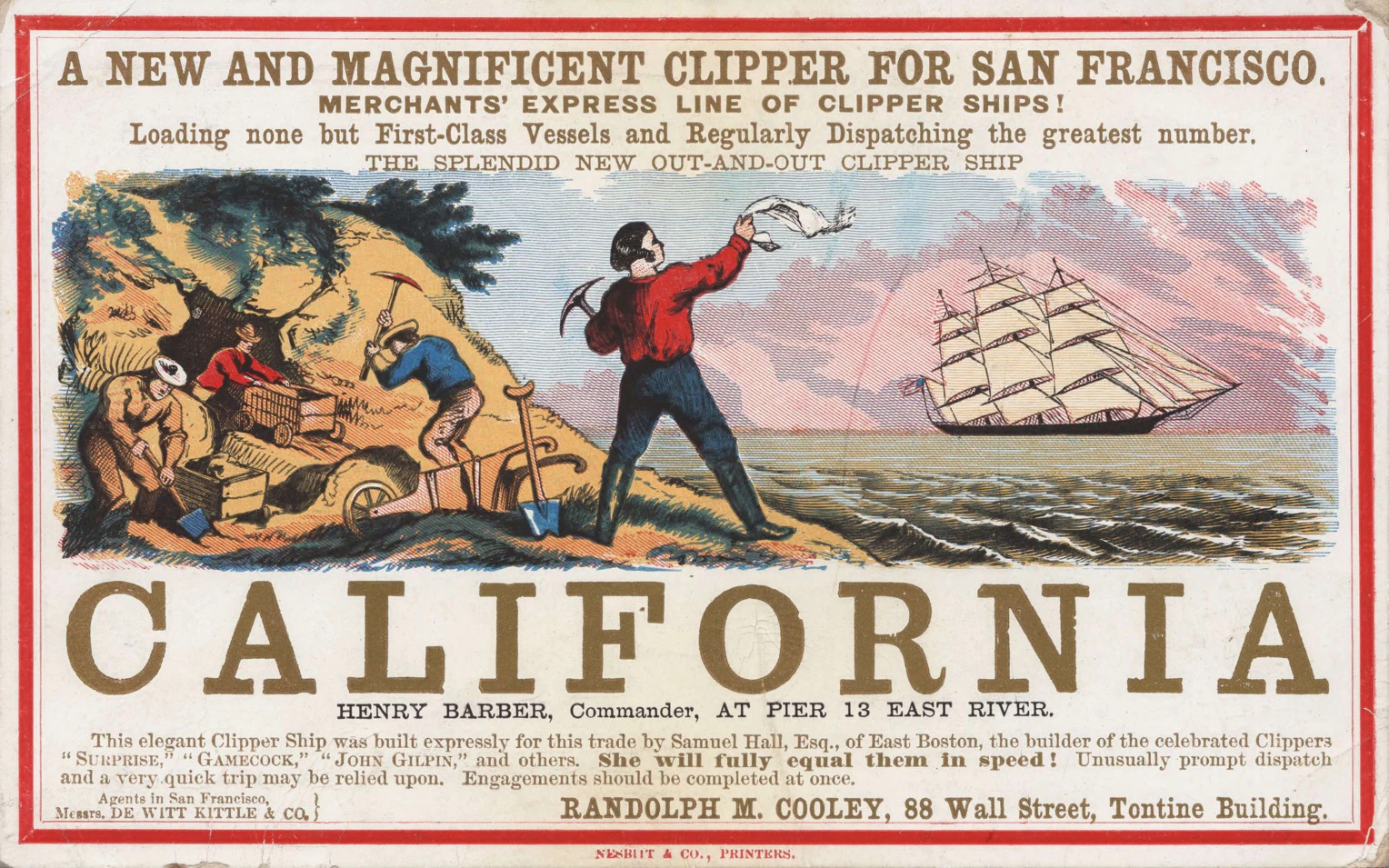
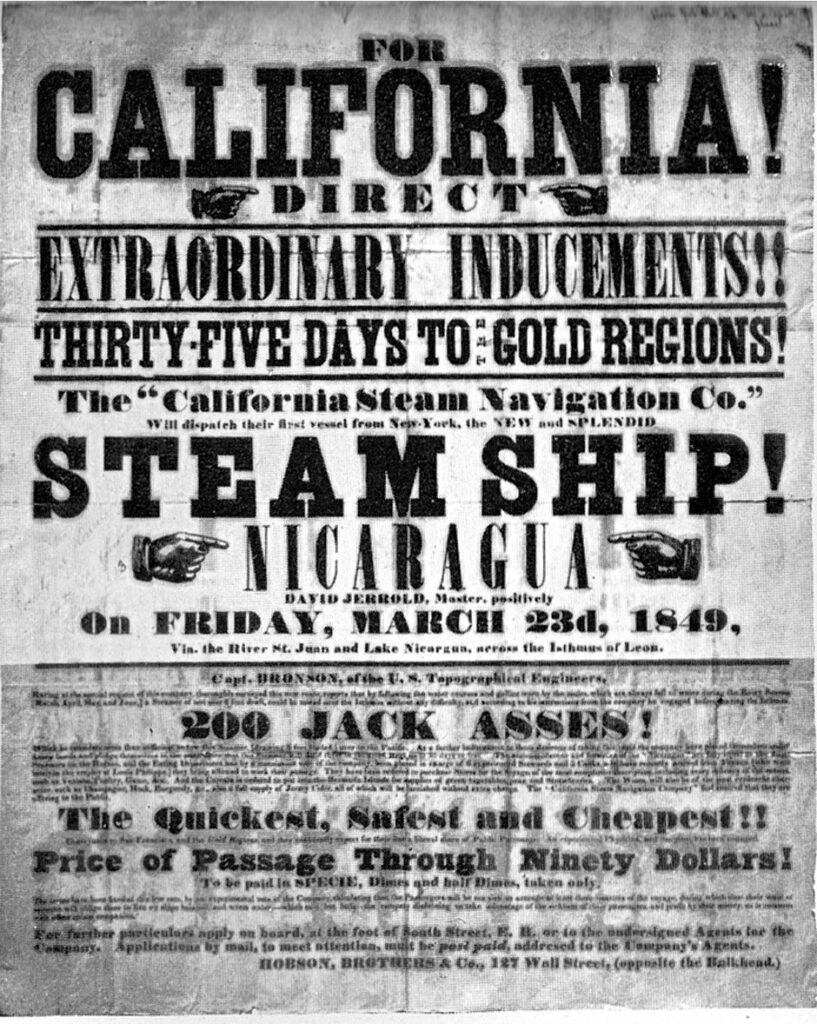
On January 24, 1848, James W. Marshall discovered gold at Sutter’s Creek in California. The news ignited the California Gold Rush, one of the greatest mass migrations in history. Within just a few years, nearly 300,000 people from around the world arrived in California, driven by the dream of sudden wealth.
Reality, however, proved far harsher. While a few became millionaires, most prospectors never struck a rich vein. Many returned home poorer than when they had left, while others chose to settle permanently, laying the foundations of modern California. The luckiest were those who arrived early, when gold deposits were most concentrated and easy to find.
From Romantic Dreams to Industrial Mining
As surface gold became scarce, prospecting grew increasingly difficult. Rivers were diverted, streambeds drained, and by 1853 hydraulic mining was introduced. Later, dynamite was also used to break through rock. In just the first five years of the Gold Rush, around 373 tons of gold were extracted—wealth that transformed the U.S. economy and accelerated the development of the American West.
Another Kind of Gold, Found on the Same Date
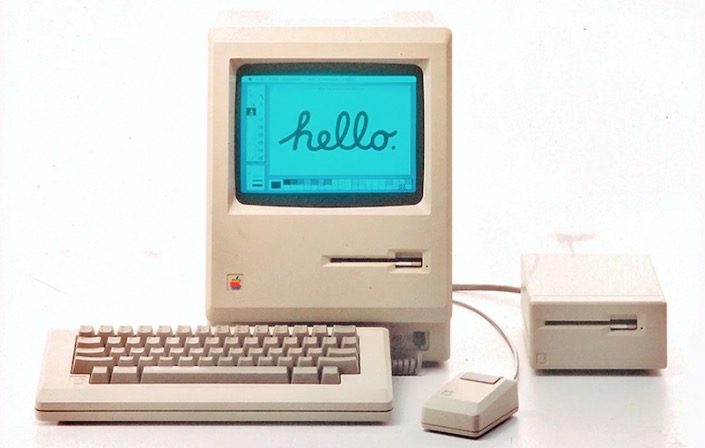
Exactly 136 years later, once again on January 24, the world discovered a very different kind of gold. In 1984, Apple introduced the first Macintosh—a personal computer that contained no precious metal, yet carried an idea of immense value.
This time, the tool was not a pickaxe but a mouse. Instead of muddy rivers, there was a screen with a graphical user interface. Macintosh made computers accessible to ordinary people and marked the beginning of the digital revolution. Just like during the Gold Rush, those who recognized the potential early were the ones who gained the most—not by digging into the ground, but by shaping the future.
One Date, Two Revolutions
The gold of 1848 was gradually exhausted and required ever greater effort, technology, and sacrifice to extract. The “gold” of 1984, by contrast, continues to multiply with every new innovation. One reshaped the landscape of California; the other reshaped the way the entire world works, learns, and communicates.
Pickaxe or mouse. Two tools, two eras, two revolutions—connected by a single date. January 24 remains in history as the day humanity discovered gold twice: once in the earth, and once in its own imagination.
- Открадната история: Операция „МАРАТОН“ и кражбата на „История славянобългарска“

- Открадната история: Как от Лувъра изчезнаха бижута за 88 милиона евро за 8 минути

- Открадната история: редки книги за 3,2 милиона долара, сред които първи издания на Галилей и Нютон, са открити в къща в Румъния
- Открадната история: нюйоркски колекционер връща 180 артефакта от 11 държави на стойност 70 милиона долара

- Христо Кръстев: сред победителите във въздушния бой на 1 август 1943 г.

- Петър Бочев: последният полет на един български летец

Вашият коментар