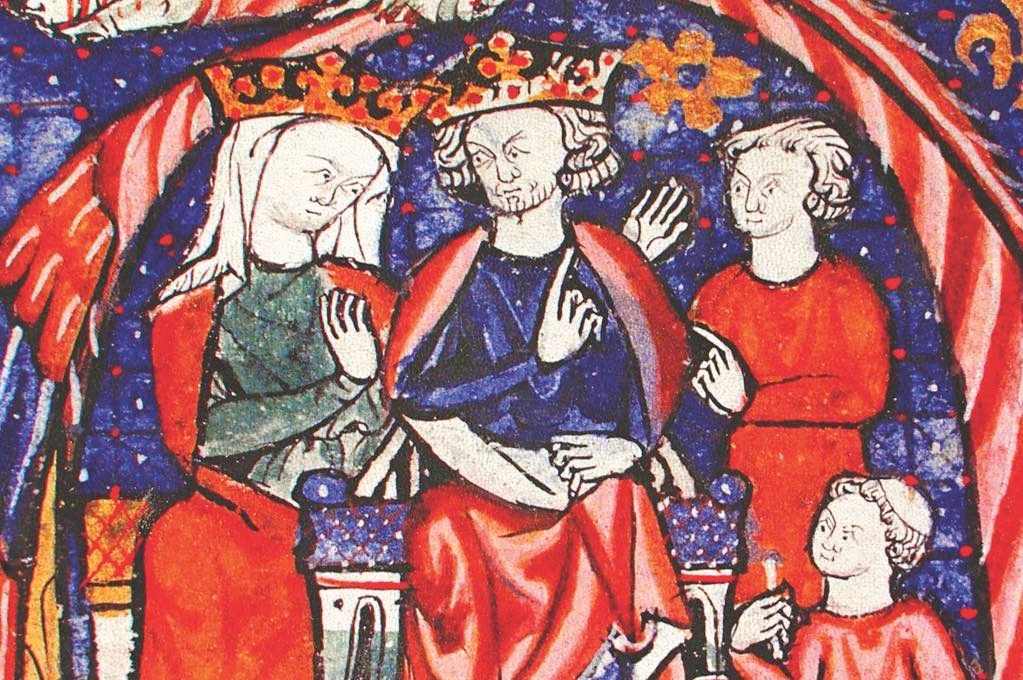
History rarely knows what to do with women who outlive their age. When a woman remains influential for too long, when she survives kings, wars, marriages, and imprisonment, history tends to reduce her to legend. Eleanor of Aquitaine was not reduced easily. She lived too long, ruled too widely, and refused too often to disappear quietly. This is Part Two of the series Women Behind the Throne, following the story of Catherine de’ Medici and continuing our exploration of women who shaped power without ruling in name. She did not stand behind one throne, but two. And even then, she was never merely a queen consort.
A Duchess Before She Was a Wife
Eleanor was born into power, not married into it. As Duchess of Aquitaine, she inherited one of the largest and wealthiest territories in Europe while still a teenager. This alone made her dangerous. In a feudal world where land meant authority and authority meant war, Eleanor was not a prize—she was a political earthquake.
From the moment she entered the French court as the wife of King Louis VII, it was clear that she did not fit easily into the role expected of her. Louis was devout, restrained, and shaped by monastic ideals. Eleanor was educated, confident, and accustomed to command. Their marriage was less a union than a mismatch between two visions of rule.
She did not submit to invisibility. She participated, advised, and challenged. And when the marriage failed—politically, personally, dynastically—she did something nearly unthinkable for a medieval queen.
She left.
From One Crown to Another
Eleanor’s annulment from the French king did not diminish her power. It redirected it. Within weeks, she married Henry of Anjou, a man who would soon become Henry II of England. With that marriage, Eleanor reshaped the map of Europe.
As Queen of England, she brought Aquitaine with her. Her lands became the backbone of the Angevin Empire, stretching from the Scottish borders to the Pyrenees. Henry wore the crown. Eleanor carried the weight.
Yet power shared is rarely power equal. Henry ruled forcefully, relentlessly, and with little tolerance for rivals—including his wife. Eleanor was not content to remain decorative. She governed Aquitaine, held court, and fostered a cultural life that stood in stark contrast to Henry’s militarized kingship.
Their partnership, like her first marriage, fractured under the pressure of ambition.
Motherhood as Strategy
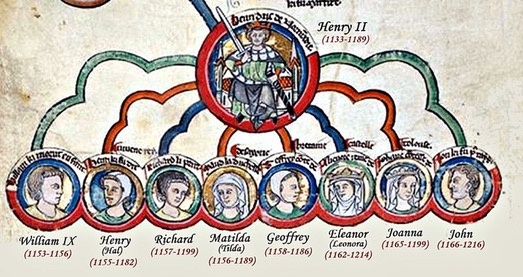
Eleanor’s greatest political act was not marriage. It was motherhood. She raised sons who would become kings, rebels, rivals, and legends. Richard the Lionheart inherited her charisma and sense of command. John inherited her territory, though not her judgment.
When her sons rebelled against their father, Eleanor stood with them—not out of sentiment, but calculation. She understood that dynasties do not survive on obedience alone. They survive through succession.
That choice cost her dearly. Henry imprisoned her for years, removing her from public life but not from relevance. Even behind walls, Eleanor remained a threat—not because she could act, but because she endured.
The Return of the Queen
When Henry died, Eleanor emerged from captivity not broken, but sharpened. She became the stabilizing force of the realm during Richard’s reign, governing England while he fought abroad. She negotiated ransoms, managed alliances, and ensured the continuity of the crown.
Her authority no longer needed a title. It rested on experience.
Even in old age, she traveled tirelessly across Europe, arranging marriages, securing borders, and defending the legacy she had built across decades. Few medieval rulers—male or female—exercised power for so long, across so many regimes.
A Woman Too Powerful for Comfort
Eleanor unsettled chroniclers because she refused to be simple. She was not obedient, not silent, not confined to one role. She was at once ruler, wife, mother, prisoner, and regent. History often prefers women to be one thing at a time.
Like many powerful women, she was later romanticized to neutralize her threat—turned into a patron of love, a muse of troubadours, a legend of courtly romance. But beneath the poetry stood a political mind that understood territory, loyalty, and time.
What Remains After Eleanor
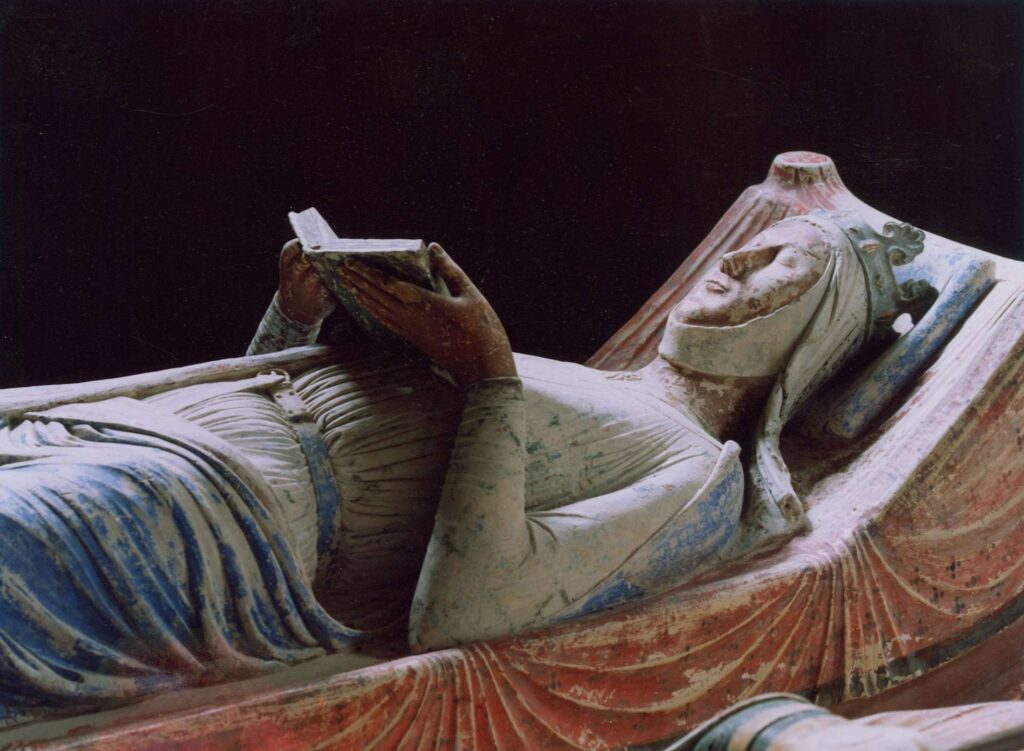
Eleanor of Aquitaine did not merely support thrones. She outlasted them. She shaped kingdoms that would define medieval Europe long after her death. France and England remember her differently, but neither can escape her influence.
She was not a woman behind the throne in the narrow sense. She was the architecture behind power itself—quietly structural, impossible to ignore, and enduring beyond the men who believed they ruled alone.
- Петър Бочев: последният полет на един български летец

- Стоян Стоянов: защитникът на София, който стана екскурзовод в Рилския манастир

- Чудомир Топлодолски: от защитник на българското небе до строител на стадион „Васил Левски“

- Жените до трона: Кераца Петрица – майката на Йоан Александър, до която писа папата
- Българските земи през 1437 година: разказът на един баварски бенедиктински монах
- Съкровище от Мурано край Бургас? Загадката на стотици венециански стъклени съдове от Черно море

Вашият коментар