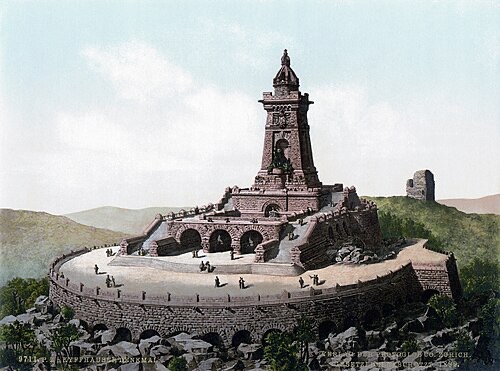
According to one of Germany’s greatest legends, Emperor Frederick I Barbarossa never truly died. Instead, he is said to sleep deep beneath Kyffhäuser Mountain, seated at a massive stone table while his legendary red beard continues to grow around it. The old tale says that when the ravens stop circling the mountain, Barbarossa will awaken and return to restore Germany to greatness.
Whether legend or myth, this remarkable story has captivated generations for centuries.
The Emperor Behind the Legend
Frederick I Barbarossa was one of the most powerful rulers of the Middle Ages. Crowned Holy Roman Emperor in 1155, he spent decades strengthening imperial authority across Central Europe and leading the Third Crusade to the Holy Land.
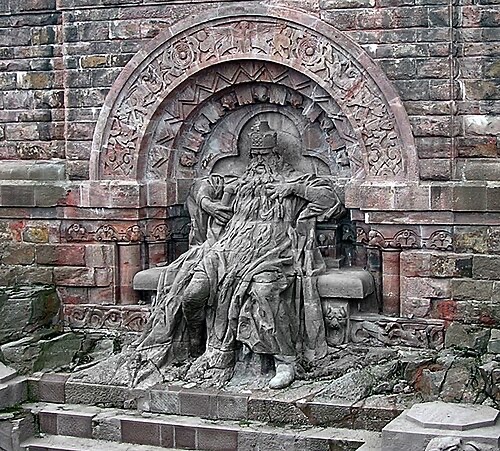
In 1190, however, tragedy struck. While crossing a river in present-day Turkey, Barbarossa drowned, bringing his crusade to an abrupt end. Yet many people refused to believe that such a great emperor could simply disappear. Over time, stories spread that he had not died at all but was merely sleeping beneath Kyffhäuser Mountain, waiting for the day he would return.
A Monument Built on Medieval Ruins
The legend became so deeply rooted in German culture that, between 1890 and 1896, a monumental memorial was built on the ruins of the medieval Kyffhausen Castle.
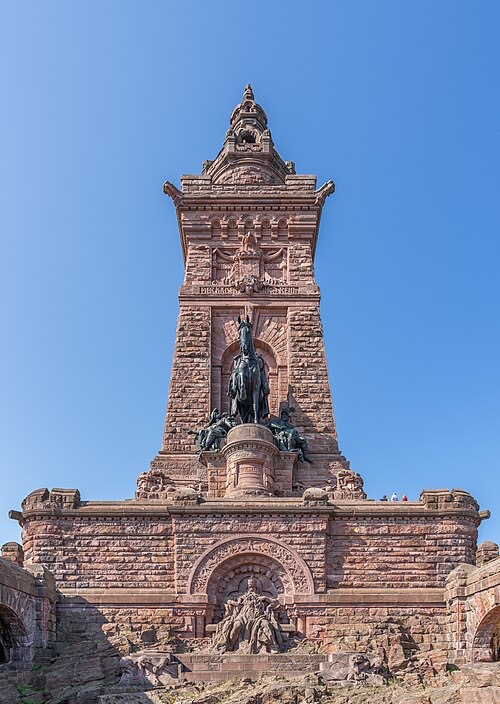
Standing 81 meters (266 feet) tall, the Kyffhäuser Monument is one of Germany’s largest national monuments. At its base sits a dramatic stone sculpture of the sleeping Barbarossa, his beard wrapped around the stone table as he slowly begins to awaken.
Above him rises an enormous equestrian statue of Emperor Wilhelm I, the ruler who unified Germany in 1871. The symbolism was unmistakable: many Germans saw Wilhelm as the leader who had fulfilled Barbarossa’s dream of a united German nation.
The Castle Above the Sleeping Emperor
Long before the monument was built, the mountain was home to one of the largest medieval fortresses in Germany.
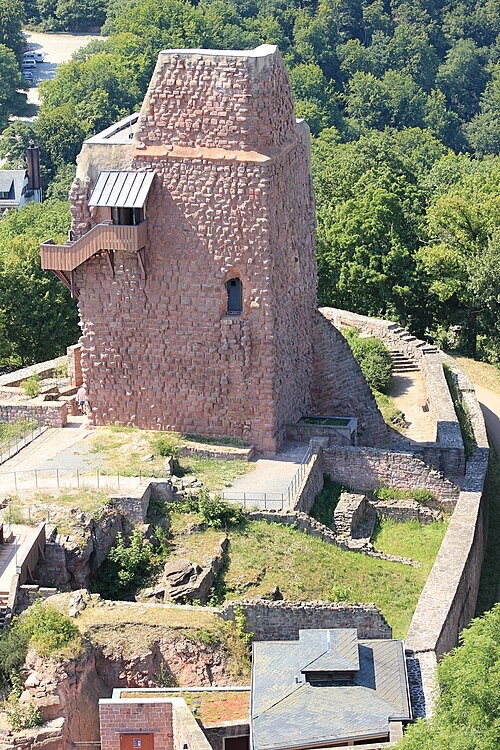
The Imperial Castle of Kyffhausen, constructed during the 11th century and later expanded by the Hohenstaufen emperors, guarded important routes through central Germany. Although now in ruins, its massive walls still surround one of the site’s greatest engineering achievements—the 176-meter-deep castle well, believed to be the deepest castle well carved entirely into solid rock anywhere in the world.
Walking through the ruins today, visitors can still imagine the imperial fortress that once overlooked the surrounding valleys centuries before the monument was ever conceived.
Where History and Legend Meet
Today, the Kyffhäuser Monument attracts visitors not only for its spectacular views but also for the unique story it tells.
Few places in Europe combine medieval history, national symbolism, and ancient legend so powerfully. Whether you come for the breathtaking scenery, the impressive ruins, or the enduring tale of Emperor Barbarossa, Kyffhäuser remains one of Germany’s most fascinating historic landmarks—a place where history ends and legend begins.
- Петър Бочев: последният полет на един български летец

- Стоян Стоянов: защитникът на София, който стана екскурзовод в Рилския манастир
- Чудомир Топлодолски: от защитник на българското небе до строител на стадион „Васил Левски“

- Жените до трона: Кераца Петрица – майката на Йоан Александър, до която писа папата
- Българските земи през 1437 година: разказът на един баварски бенедиктински монах
Вашият коментар