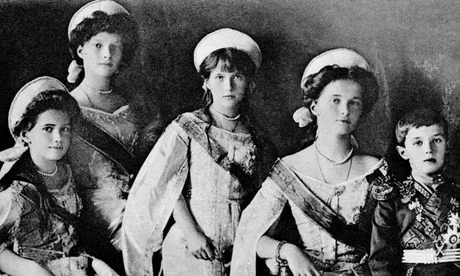
The Romanov sisters — Olga, Tatiana, Maria, and Anastasia—were born into one of the most powerful dynasties in the world, yet their lives would come to embody one of history’s most intimate tragedies.
Daughters of Nicholas II and Alexandra Feodorovna, they grew up surrounded by privilege, tradition, and expectation. But beyond the grandeur of the imperial court, they were also sisters—deeply connected, emotionally intertwined, and bound by a shared world that would ultimately collapse around them.
They were not merely witnesses to the fall of an empire. They were its most human reflection—young women raised in privilege, yet destined to face isolation, uncertainty, and fear.
Their story is not only about the collapse of a dynasty, but about interrupted youth, the strength of family bonds, and the quiet dignity with which they faced the inevitable.
Childhood in the Imperial Court
The four sisters grew up in a world of privilege, but also of discipline and restraint. Despite immense wealth, their parents made a conscious effort to raise them modestly.
They slept in relatively simple rooms, wore similar clothing, and were taught to value responsibility and work. Their daily lives were structured—education, prayer, physical activity, and time spent together as a family.
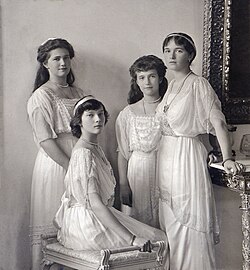
From an early age, they were deeply close. They signed their letters with the shared acronym “OTMA”—formed from the first letters of their names. This was more than a habit; it was a symbol of their unity, one that would endure until the very end.
Olga: Intellect and the Burden of Awareness
Olga Nikolaevna Romanova, born in 1895, was the eldest. She was thoughtful, sensitive, and introspective. She loved literature, philosophy, and meaningful conversation.
Olga was the one who most clearly understood the changing world around them. She sensed the growing instability and gradually realized that their position was no longer secure.
Her diaries and letters reveal an inner conflict—between duty to her family and a quiet awareness of what might come. She carried a psychological weight that set her apart.
During World War I, Olga served as a nurse, tending to wounded soldiers. This experience exposed her to suffering on a scale she had never known and changed her profoundly.
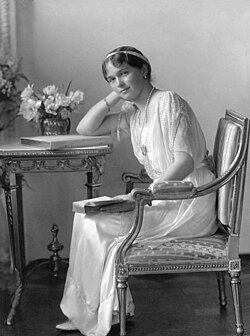
Tatiana: Order, Strength, and Duty
Tatiana Nikolaevna Romanova, born in 1897, was often described as the most composed and disciplined of the sisters.
She possessed a natural sense of order and responsibility. In many ways, she became a stabilizing force within the family. Calm and capable, Tatiana was the one others relied on during difficult moments.
Like Olga, she served as a nurse during the war and earned respect for her dedication and competence.
In captivity, Tatiana often took on the role of organizer—maintaining routines, structuring daily life, and trying to preserve a sense of control in a situation where very little remained.
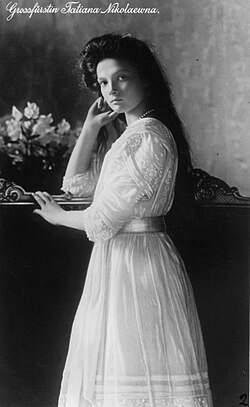
Maria: The Heart of the Family
Maria Nikolaevna Romanova, born in 1899, was known for her warmth and kindness. She was the most open and emotionally expressive of the sisters.
Maria loved people. She connected easily, even with guards during captivity. Her natural empathy made her a bridge between the family and the outside world.
She dreamed of a simple life—marriage, children, peace. Unlike her older sisters, she was less concerned with politics or intellectual pursuits and more guided by emotion and human connection.
It is this innocence that makes her fate especially tragic.
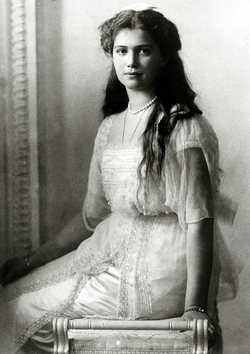
Anastasia: Light in the Darkness
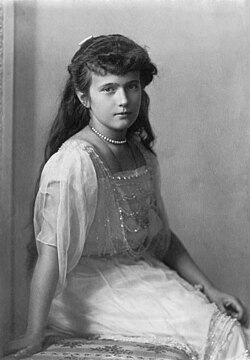
Anastasia Nikolaevna Romanova, born in 1901, was the youngest and most spirited.
She was playful, mischievous, and full of life. She loved jokes, mimicry, and making others laugh. In difficult moments, she brought lightness into the family.
Yet beneath that energy was sensitivity. In the final years, especially during captivity, Anastasia matured quickly. She understood more than she showed and felt the weight of their situation.
The enduring myths about her survival reflect the powerful impression she left behind.
The Romanov sisters OTMA: A Bond Beyond Circumstance
One of the most remarkable aspects of the Romanov daughters was their unity. They were not simply sisters—they were a world unto themselves.
“OTMA” was not just a signature. It was a declaration of identity and connection.
They shared rooms, thoughts, fears. They cared for their brother Alexei Nikolaevich and supported one another through every stage of their ordeal.
In captivity, this bond became their greatest strength. When everything else was stripped away, family remained.
World War I: Confronting Reality
The war shattered the illusion of a protected life. Rather than remain sheltered, Olga and Tatiana chose to serve as nurses.
They witnessed wounds, suffering, and death firsthand. These experiences transformed them—making them more mature, but also more vulnerable.
The reality of war broke through the boundaries of their previous world and forced them to confront human suffering directly.
Captivity in Tobolsk and Yekaterinburg
After the revolution, their lives changed completely. From imperial palaces, they were moved into confinement.
In Tobolsk, some normality remained. But in the Ipatiev House, everything shifted.
Windows were sealed. Communication with the outside world was cut off. Guards were strict and often hostile.
Despite this, the sisters tried to maintain routine—reading, sewing, talking, supporting each other.
It was during this time that they sewed jewels into their clothing—a small, desperate hope that they might one day use them to secure freedom.
The Final Days
As time passed, tension increased. The guards became harsher. Restrictions tightened.
The sisters sensed that something was coming, though they did not know what.
Still, they remained together. Always together.
The End
On the night of July 17, 1918, the four sisters descended into the basement of the Ipatiev House.
They were not separated. They were not alone.
Their end was brutal, but their bond remains a lasting symbol of unity, love, and humanity.
Conclusion
The daughters of the Romanovs were not just historical figures. They were four distinct individuals, each facing the same fate.
Their story is one of youth cut short, of family enduring against all odds, and of dignity in the face of the inevitable.
And perhaps that is why they remain unforgettable—not because of their titles, but because of their humanity.
Вашият коментар