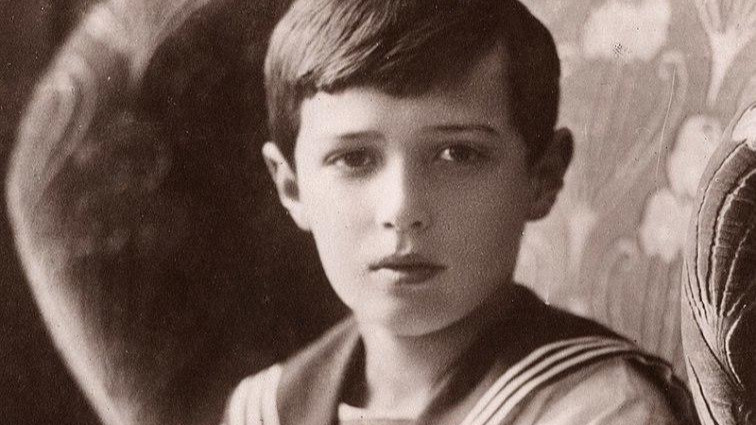
In the spring of 1918, at the height of the Russian Civil War, one journey became a symbol of the Romanov dynasty’s inevitable fate. This was not merely a transfer from one city to another—it was the final passage of a family toward its end. At the center of this story stands the young heir, Alexei Nikolaevich—a fragile child whose life was marked by illness, love, and tragedy.
The Family’s Separation
After the abdication of Nicholas II in 1917, the Romanov family was placed under arrest and sent to Tobolsk in Siberia. At first, they remained together, but in April 1918, the Bolsheviks decided to transfer them to Yekaterinburg—a city under stricter revolutionary control.
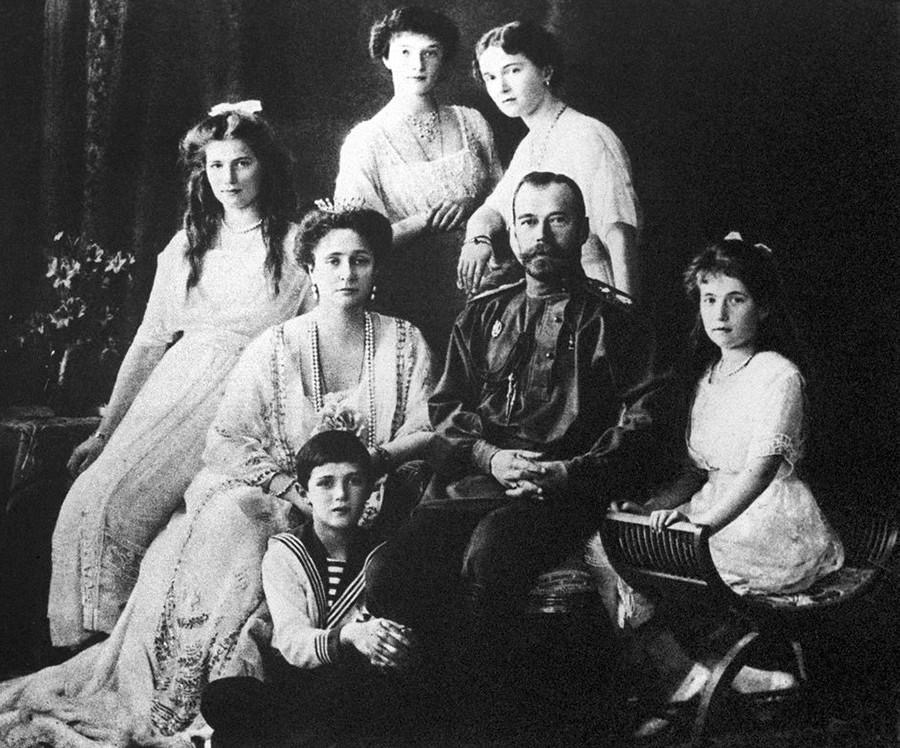
Due to Alexei’s serious health condition, the family was divided. The former emperor, his wife Alexandra Feodorovna, and their daughter Maria were moved first. Alexei remained in Tobolsk with his sisters—Olga, Tatiana, and Anastasia.
This separation was one of the most painful moments for the family. For the first time, they were physically torn apart during a time of deep uncertainty.
Alexei’s Illness
Alexei Nikolaevich suffered from hemophilia—a hereditary condition that made even minor injuries potentially fatal. During this period, he experienced a severe episode that left him unable to walk.
His legs were swollen from internal bleeding, and the pain was constant and exhausting. In such a condition, any journey seemed unthinkable. Yet when the time came, Alexei insisted on going.
According to accounts, he firmly refused to be left behind. His wish was clear—to be with his parents, regardless of the pain or risk.
The Journey to Yekaterinburg
In May 1918, Alexei and his sisters were prepared for the journey. For the young heir, it was an ordeal beyond his physical limits.
He had to be carried—often in someone’s arms—because he could not walk. Every jolt of the carriage, every stop along the way brought new waves of pain. The journey was slow, тяжелый, and exhausting.
Yet despite the suffering, he did not hesitate. Being with his family mattered more than anything else.
Reunion with the Family
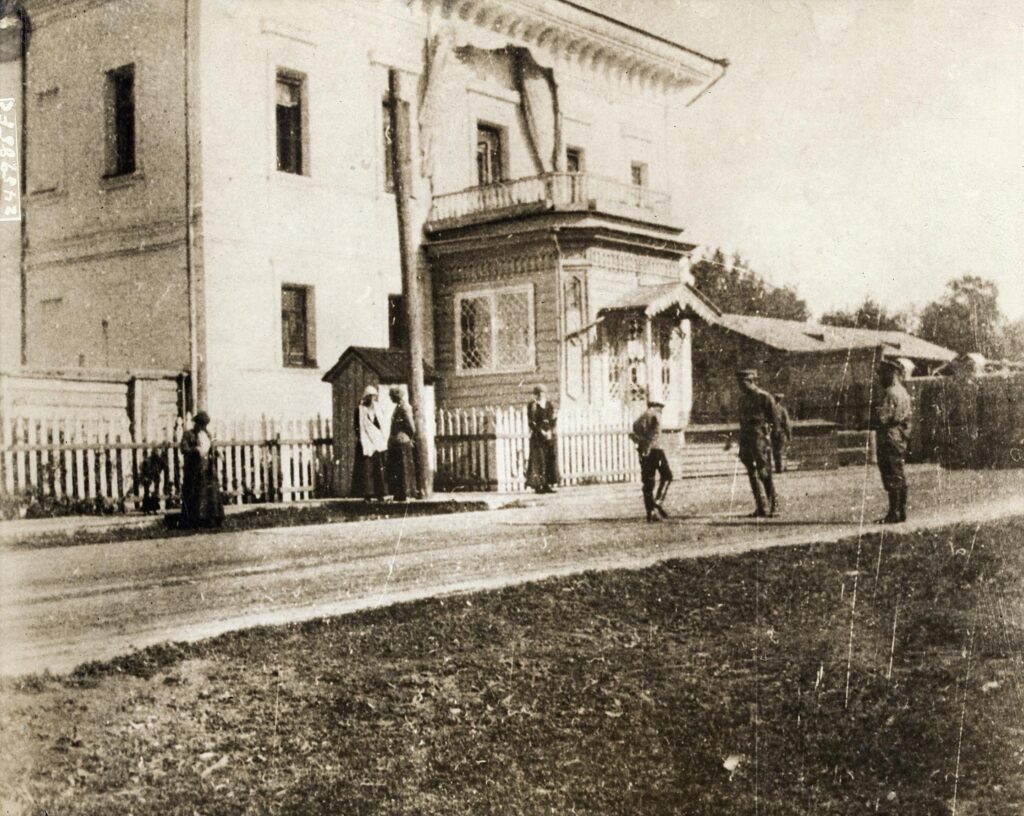
Upon arrival in Yekaterinburg, Alexei and his sisters were taken to the Ipatiev House, a place that would soon become known as the “House of Special Purpose.”
There, they were reunited with their parents. It was the last time the family would be together.
Conditions were harsh—windows were painted over, guards were strict, and all contact with the outside world was cut off. Yet within those confines, they tried to preserve a sense of family and normality.
The Final Weeks
Over the next 51 days, life in the house steadily worsened. The guards grew harsher, restrictions tightened, and hope of rescue faded with each passing day.
Alexei remained at the center of the family’s care. They did everything they could to ease his suffering. He was weak, but present—aware, observant, understanding more than his age might suggest.
The Final Descent
On the night of July 16–17, 1918, the family was awakened and instructed to go down to the basement. It was their final journey—this time downward.
Alexei was carried once again. Too weak to walk, he was in his father’s arms.
Moments later, the shooting began.
Conclusion
The journey of Alexei Romanov from Tobolsk to Yekaterinburg is more than a historical episode. It is a symbol of human attachment—the refusal to be separated from those you love, even when the outcome is clear.
This is not only the story of a dynasty’s fall, but of a child who chose to remain with his family until the very end.
And perhaps, in that choice, lies one of the most powerful and human moments in the entire tragedy of the Romanovs.
Вашият коментар