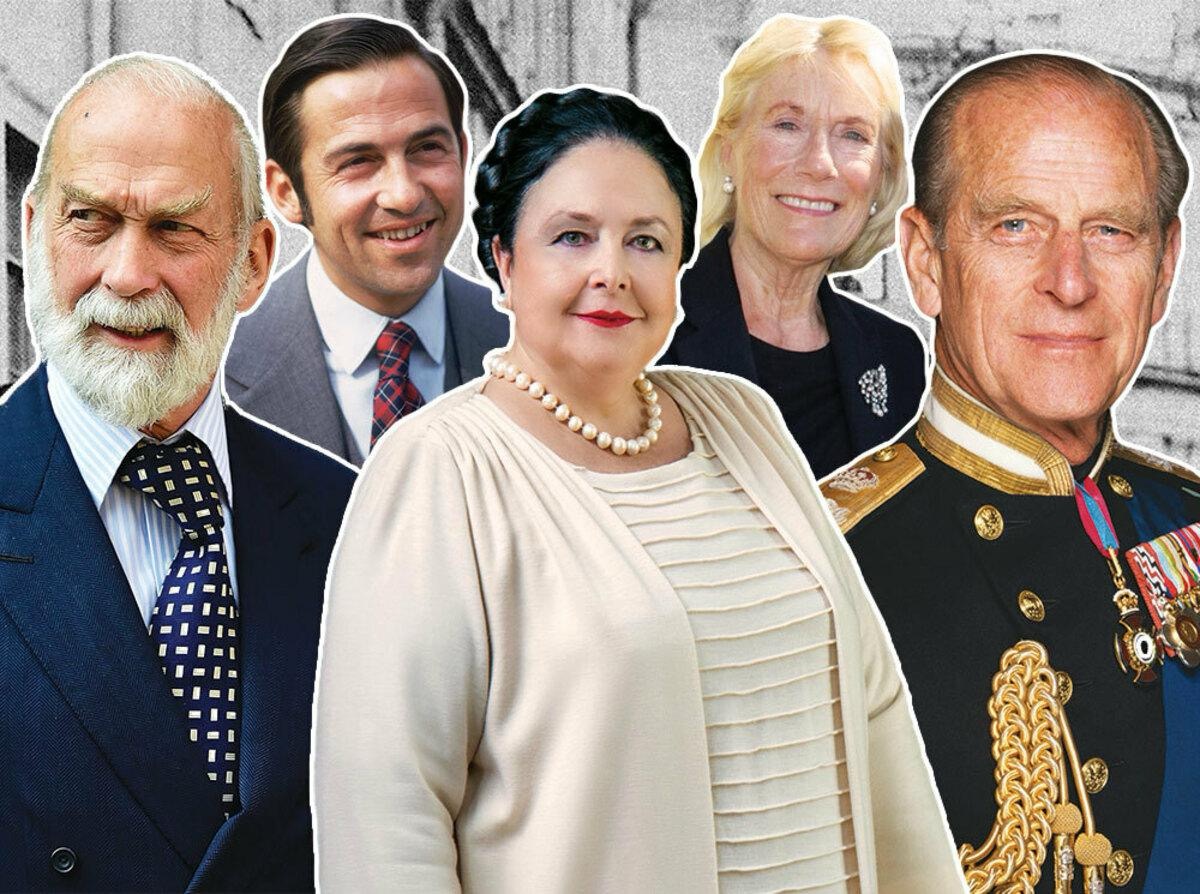
When people think of the Romanovs, they often imagine a story that ended abruptly in the basement of the Ipatiev House in 1918. The execution of Nicholas II, Alexandra Feodorovna, and their children is frequently seen as the definitive end of the dynasty. Yet history is rarely so absolute. While the immediate imperial family perished, the Romanov bloodline itself did not disappear. Beyond Russia’s borders, other members of the extended family survived, carrying the legacy of the dynasty into exile and, eventually, into the modern world.
The story of the Romanovs, therefore, does not conclude in 1918. It continues—quietly, scattered across continents, reshaped by time, politics, and circumstance.
Escape Before the Fall
Long before the revolution reached its violent climax, branches of the Romanov family were already living outside Russia. Like many European royal houses, the Romanovs were connected through a vast network of dynastic marriages, linking them to courts in Britain, Germany, Denmark, and beyond.
When the революция intensified and the monarchy collapsed, these connections proved critical. Some Romanovs managed to leave Russia in the early stages of unrest, while others were rescued through diplomatic efforts or sheer fortune. Ships carried members of the aristocracy away from Crimea. Foreign relatives provided refuge. Not everyone was saved, but enough survived to ensure that the family line would endure.
For those who escaped, however, survival came at a cost.
Life in Exile
The Romanovs who reached Europe or the United States found themselves in a radically different reality. Gone were the palaces, the wealth, the structure of imperial life. In their place came uncertainty, financial hardship, and the need to adapt.
Many former princes and princesses were forced to live modestly, taking on ordinary professions. Some worked as artists, others as writers, and some entered entirely new fields far removed from their aristocratic past. Titles, once central to their identity, became largely symbolic in a world that had little use for them.
Yet despite these challenges, a sense of identity persisted. The memory of Russia, of the lost empire, and of the family members who had died remained a unifying force among them.
The Question of Leadership
As the years passed, a new question emerged within the Romanov diaspora: who, if anyone, could claim to be the head of the imperial family?
Unlike ruling monarchies, where succession is clearly defined, the Romanovs in exile faced a more complicated situation. With the monarchy abolished and the imperial line disrupted, different branches of the family began to assert their own claims.
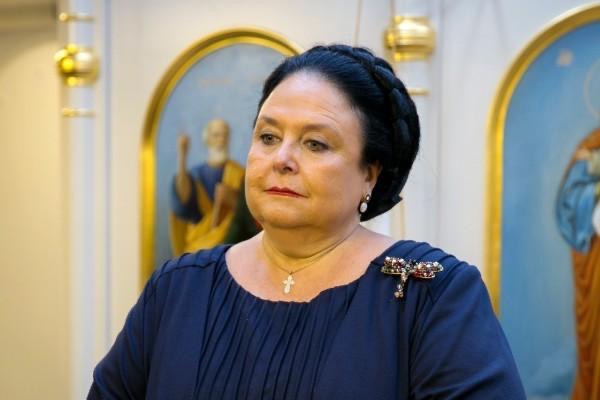
One of the most prominent figures in this ongoing debate is Maria Vladimirovna, who presents herself as the head of the Imperial House of Romanov. As a direct descendant of the Romanov line, she has maintained a visible presence in cultural and ceremonial contexts, emphasizing continuity with the past.
Her son, George Mikhailovich, is often presented as the next in line within this interpretation of the family’s legacy.
However, not all Romanov descendants accept this claim.
A Divided Legacy
Other branches of the family, including those associated with the Romanov Family Association, reject the idea of a single, universally recognized head. Instead, they emphasize a more collective identity, in which all legitimate descendants share the heritage without elevating one line above the others.
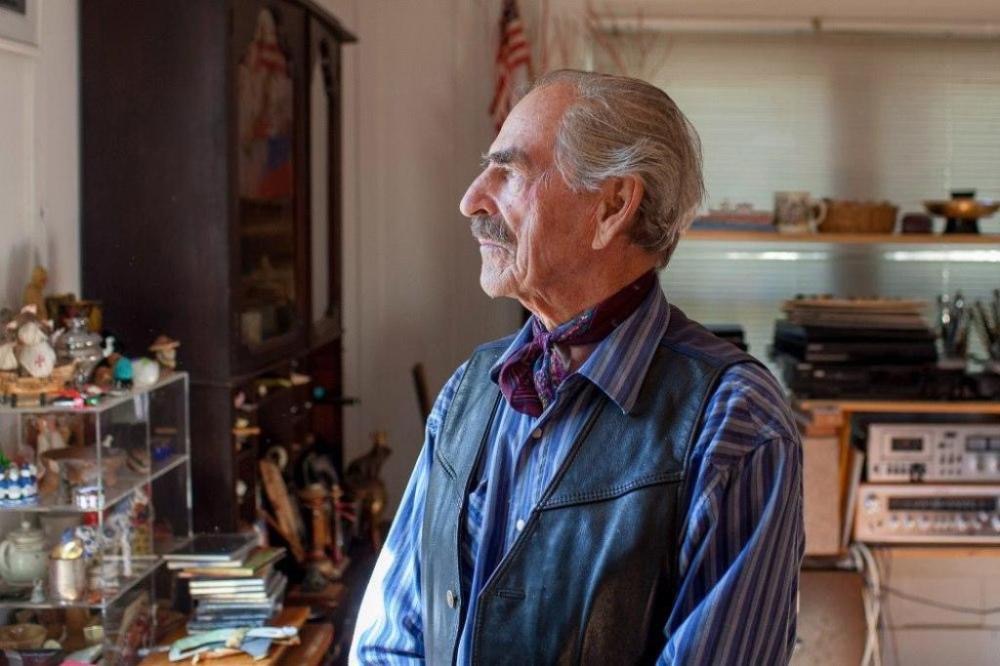
Figures such as Prince Andrew Romanoff, who lived in the United States and served as a symbolic figure within the association, represented this alternative perspective. In this view, the Romanov legacy is not about restoring monarchy or asserting authority, but about preserving history and memory.
This division has persisted into the present, reflecting not only differences in interpretation, but also the complex nature of a dynasty that no longer holds political power.
Romanovs in the Modern World
Today, Romanov descendants live largely private lives. They are scattered across Europe, North America, and beyond, integrated into the societies around them. Many are professionals, artists, or entrepreneurs, known more for their individual achievements than for their ancestral titles.
At the same time, they continue to participate in events connected to Russian history and culture. Anniversaries, memorial services, and historical commemorations often bring members of the extended family together. These gatherings serve as moments of reflection, linking the present to a past that remains both distant and deeply influential.
In recent years, there has also been a renewed interest in genealogy, with detailed family trees and historical records helping to map the surviving branches of the Romanov line.
Between History and Identity
For modern Romanov descendants, identity is shaped by a unique combination of history and distance. They inherit a name that carries immense historical weight, yet they live in a world where that history has no direct political function.
This creates a dual reality. On one hand, they are ordinary individuals navigating contemporary life. On the other, they are connected to one of the most dramatic and symbolic stories of the twentieth century.
How they interpret that connection varies. Some embrace it publicly, participating in historical and cultural discussions. Others maintain a more private relationship with their heritage, treating it as a personal, rather than public, aspect of their identity.
The Legacy That Endures
The continued existence of Romanov descendants challenges the idea that 1918 marked a complete ending. While the imperial system collapsed and the immediate family was lost, the broader lineage survived, adapting to new realities and new environments.
Their presence today serves as a reminder that history is rarely as final as it appears. Dynasties may fall, but families continue, often in unexpected ways.
The Romanovs no longer rule. They hold no political power, command no empire, and occupy no throne.
Yet their story continues—not in palaces or state ceremonies, but in lives lived across the modern world.
Conclusion
The question of whether the Romanovs still exist today has a clear answer: yes, but not in the way people often imagine.
The dynasty as a ruling force ended in 1918, but the family itself endured. Its descendants live on, carrying with them a legacy shaped by both privilege and loss.
In many ways, this continuation adds a final layer to the Romanov story. It transforms it from a closed chapter into an ongoing narrative—one that connects past and present, memory and identity.
The empire is gone.
But the family remains.
Вашият коментар