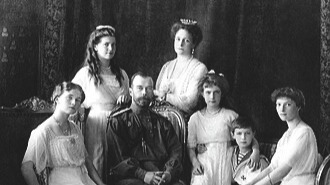
Execution of the Romanovs in the night of July 16–17, 1918 remains forever etched in history as one of the most dramatic and symbolically charged moments not only for Russia but for the entire world. In the basement of the Ipatiev House in Yekaterinburg, the family of the last Russian emperor, Nicholas II, was executed—an event that marked the definitive end of the Romanov dynasty, which had ruled Russia for more than three centuries. This was not merely an act of political violence, but the culmination of deep social, economic, and ideological processes that had shaken Russian society at the beginning of the 20th century.
The story of the Romanovs in their final days is filled with tragedy, hope, fear, and inevitability. It is also a profoundly human story—of a family that, despite its power and status, ultimately proved powerless against the course of history.
Historical Context: Russia in Crisis
At the beginning of the 20th century, the Russian Empire was one of the largest states in the world, but also one of the most unstable. Social inequality, widespread poverty among peasants and workers, and the lack of meaningful political reforms created conditions for growing unrest.
The Revolution of 1905 was the first major signal of the empire’s crisis. Although Nicholas II attempted reforms, including the establishment of the Duma (parliament), these measures proved insufficient. Discontent continued to grow, and Russia’s participation in World War I further worsened the situation.
The war brought enormous human losses, economic collapse, and widespread disillusionment. The army suffered from shortages, while civilians endured hunger and inflation. In this context, trust in the monarchy collapsed.
The Abdication of Nicholas II
In February 1917, mass protests broke out in Petrograd. Workers, soldiers, and civilians took to the streets demanding bread, peace, and political change. The situation quickly spiraled out of control, and the army refused to suppress the unrest.
On March 2, 1917, Nicholas II abdicated the throne in favor of his brother Michael, who refused to accept the crown. Thus, the Russian monarchy came to an end.
The former emperor and his family were initially placed under house arrest in Tsarskoye Selo and later moved to Tobolsk in Siberia. At first, conditions were relatively tolerable, but after the Bolsheviks seized power in October 1917, their situation deteriorated sharply.
Transfer to Yekaterinburg
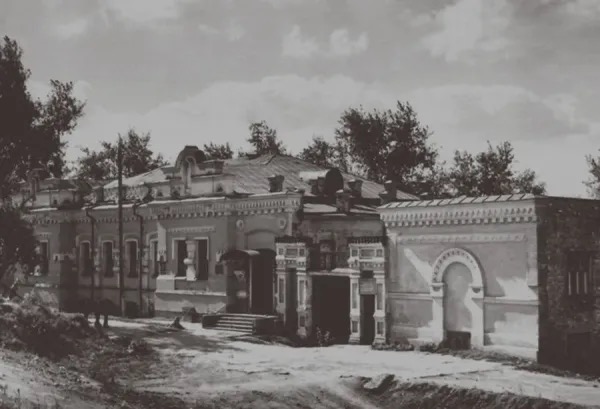
In the spring of 1918, the Bolsheviks decided to move the family to Yekaterinburg, a city under the control of radical revolutionaries. There, they were housed in the Ipatiev House, which soon became known as the “House of Special Purpose.”
Conditions were harsh. Windows were boarded up or painted over to prevent any contact with the outside world. The guards were strict and often hostile. The family was deprived of freedom, and access to information was severely limited.
Despite this, the Romanovs tried to maintain a sense of normalcy. They read, prayed, talked, and preserved their family routines. This was their way of holding on to dignity in isolation.
Alexei’s Health
The situation was especially difficult for the heir, Alexei, who suffered from hemophilia—a condition that prevents normal blood clotting. Even minor injuries could be life-threatening.
In the final months before the execution, his condition worsened. He often could not walk and had to be carried by his father. This added another layer of tragedy to the family’s already dire situation.
The Hope of Rescue
In the summer of 1918, rumors spread that the White Army—opponents of the Bolsheviks—was approaching Yekaterinburg. This sparked hope among some family members and their supporters that rescue might be possible.
In reality, this hope played a decisive role in their fate. The Bolsheviks feared that if the Romanovs were freed, they could become symbols of counterrevolution. It was precisely this fear that led to the decision to execute them.
The Night of July 16–17, 1918
In the early hours of the night, the family was awakened under the pretext that they needed to be moved due to the approaching danger. They were gathered and taken to the basement of the house.
There, they were instructed to stand against a wall. Shortly afterward, armed men entered the room. A brief statement was read, declaring that they had been sentenced to death.
The shooting began almost immediately. Chaos filled the confined space—smoke, noise, panic. Some bullets were deflected by the jewels sewn into the grand duchesses’ clothing, prolonging the ordeal. Ultimately, the execution was completed with bayonets.
Aftermath
The bodies of the Romanovs were secretly removed and buried in a forest near Yekaterinburg. For decades, their fate remained shrouded in mystery. Soviet authorities concealed the full truth of what had happened.
Only at the end of the 20th century, after the collapse of the Soviet Union, were the remains discovered and identified through DNA analysis. In 1998, they were reburied with state honors in Saint Petersburg.
Historical Significance
The execution of the Romanovs holds immense symbolic significance. It marked the final end of monarchy in Russia and the consolidation of Bolshevik power. The event demonstrated how far the revolution was willing to go to secure its position.
At the same time, it remains morally controversial. For some, it was a necessary political act; for others, a brutal crime.
The Romanovs in Cultural Memory
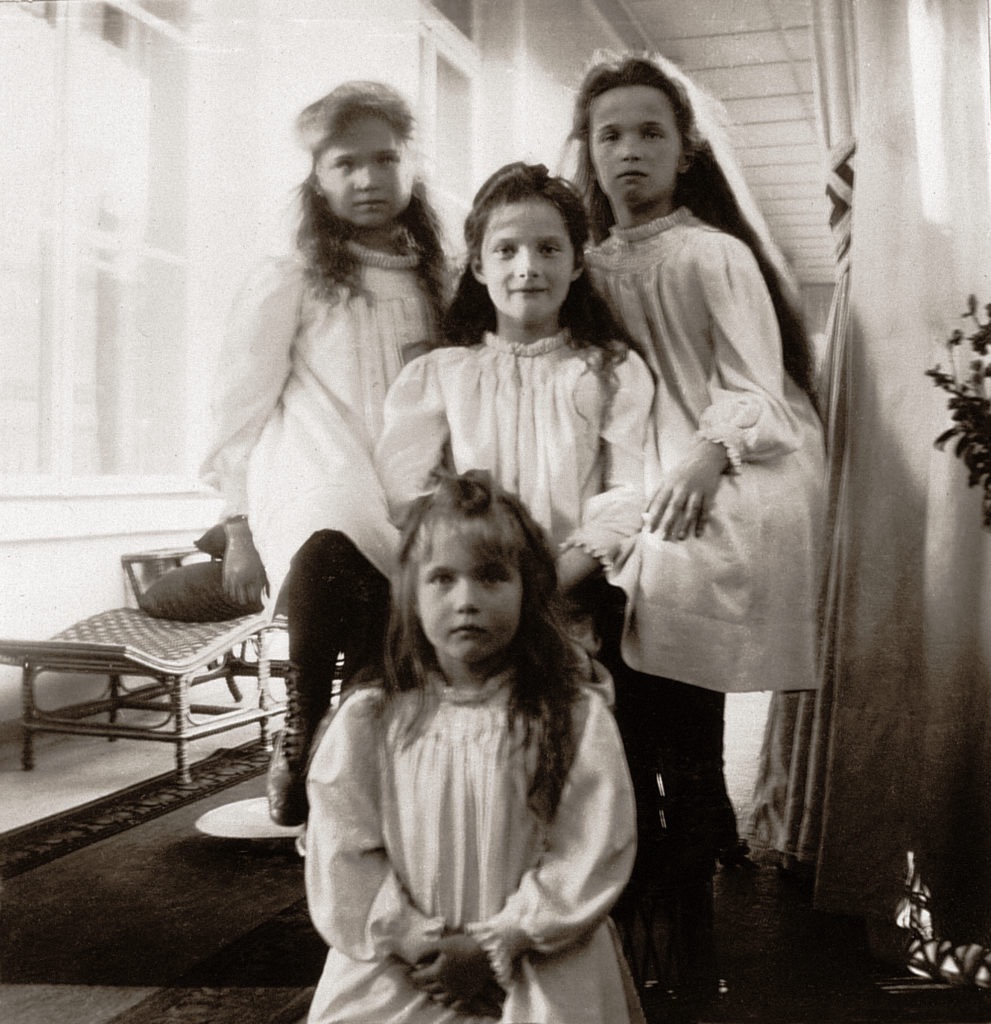
The story of the Romanovs continues to inspire books, films, and research. Particular attention is often given to the fate of the children, seen as symbols of innocence destroyed by political violence.
Myths, such as the survival of Anastasia, have further fueled fascination with their story.
Conclusion
The execution of Nicholas II and his family is both a historical event and a human tragedy. It demonstrates how political processes can lead to extreme and irreversible decisions.
The story of the Romanovs reminds us that behind every era, every revolution, there are people—with their fears, hopes, and destinies. And it is precisely this that makes their story so powerful and unforgettable.
Вашият коментар