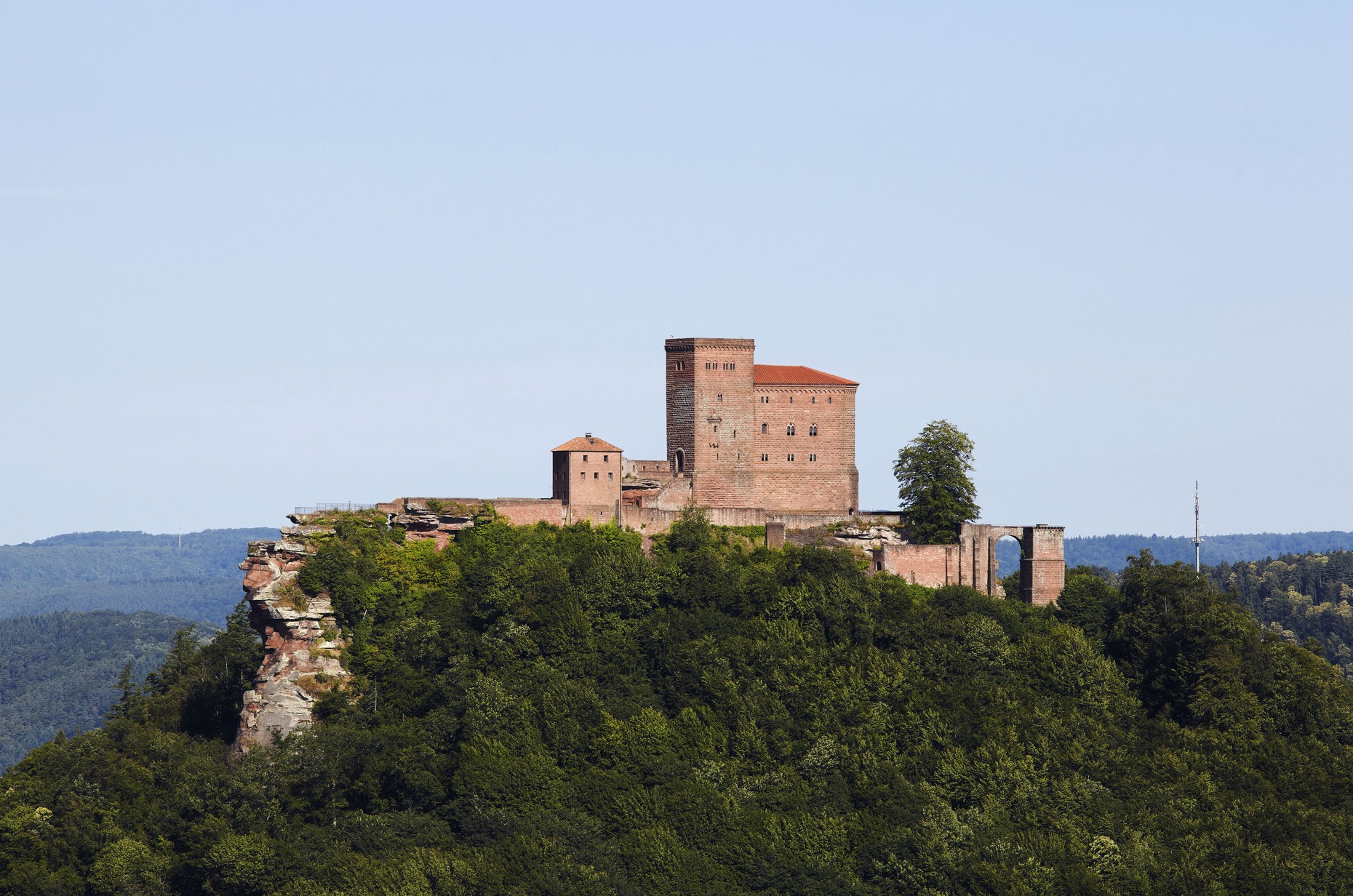
Few medieval rulers are as famous as Richard I of England, better known as Richard the Lionheart. Celebrated as a fearless crusader and one of England’s greatest warrior kings, he has inspired countless books, films, and legends. Yet one of the most dramatic chapters of his life unfolded not on the battlefield, but inside a remote castle in southwestern Germany. That castle was Trifels Castle.
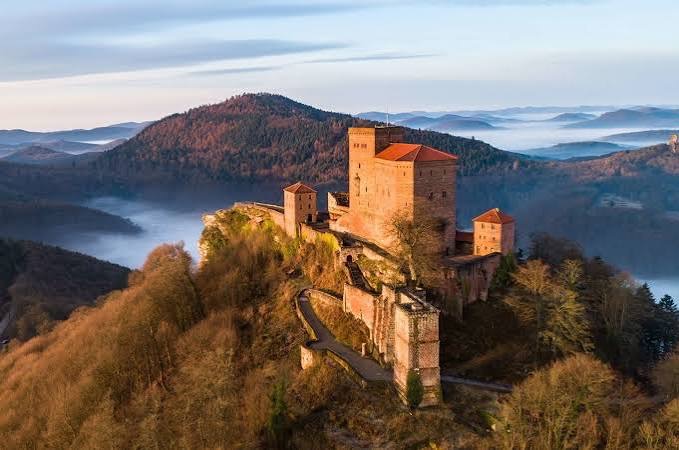
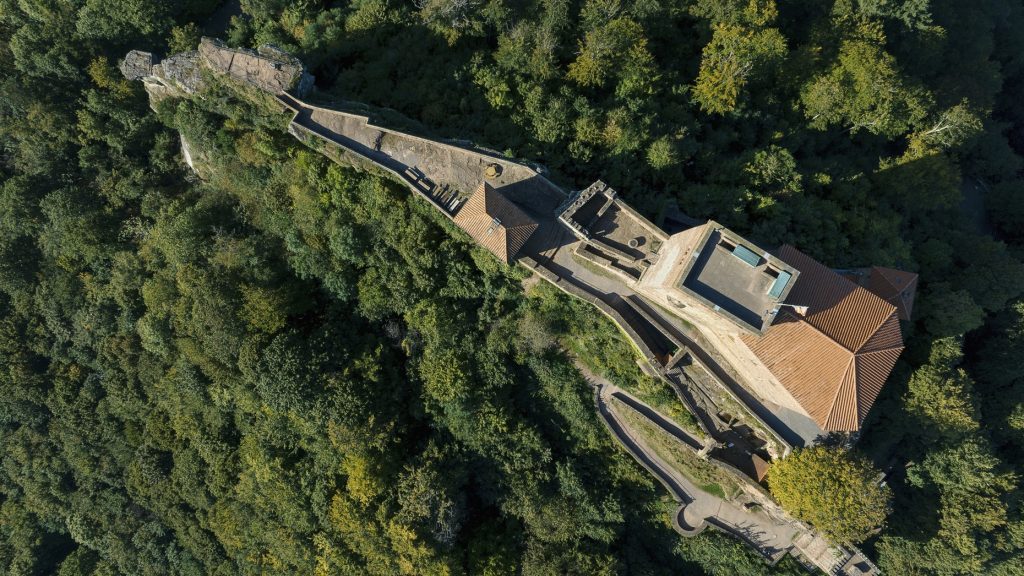
Rising atop a massive sandstone cliff in the Palatinate Forest, Trifels dominated the surrounding valleys for centuries. Hidden among the hills, it was one of the strongest and safest fortresses of the Holy Roman Empire. Its isolated location and formidable defenses made it the ideal place to protect both priceless treasures and high-profile prisoners.
Among them was none other than Richard the Lionheart.
One of the Empire’s Most Important Castles
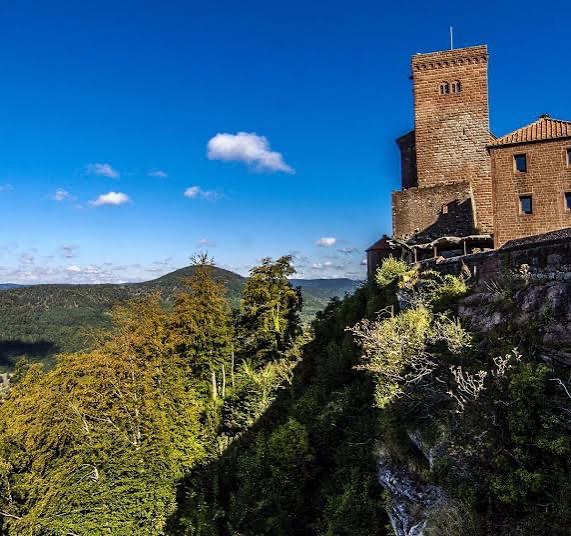
Trifels Castle was built during the 11th century and quickly became one of the most significant imperial fortresses in medieval Germany.
Its strategic position made it almost impossible to attack, but the castle’s importance extended far beyond military defense. During the 12th and 13th centuries, Trifels was entrusted with safeguarding the Imperial Regalia of the Holy Roman Empire—the imperial crown, scepter, orb, and other ceremonial treasures used during the coronation of German kings and Holy Roman Emperors.
These priceless symbols represented imperial authority itself, making Trifels one of the most politically important castles in Europe.
The Capture of Richard the Lionheart
In 1192, Richard I completed his participation in the Third Crusade and began the long journey home to England.
Traveling through Europe proved far more dangerous than fighting in the Holy Land.
Near Vienna, Richard was recognized despite traveling in disguise and captured by Duke Leopold V of Austria, with whom he had clashed during the Crusade. Leopold handed the English king over to Emperor Henry VI, who immediately realized the enormous political and financial value of such a prisoner.
Rather than remaining in one location, Richard was transferred between several secure imperial castles.
During part of his captivity in 1193, he was imprisoned at Trifels Castle, one of the safest fortresses in the empire.
The Largest Royal Ransom of the Middle Ages
Richard’s release came at an extraordinary price.
Emperor Henry VI demanded a ransom of 150,000 silver marks—a sum so enormous that historians estimate it amounted to several years of England’s royal income.
To raise the money, England imposed heavy taxes, churches surrendered valuable treasures, nobles contributed vast fortunes, and ordinary people were also required to help finance the king’s freedom.
Finally, in 1194, after the ransom had been assembled, Richard was released and returned to England.
His captivity became one of the most famous episodes in medieval European history.
The Legend of Blondel
No story about Richard’s imprisonment would be complete without one of the Middle Ages’ most famous legends.
According to tradition, the French troubadour Blondel de Nesle, said to be Richard’s close friend, traveled across Europe searching for the missing king. At every castle he visited, Blondel sang a song that only he and Richard supposedly knew.
When he reached Trifels Castle, a voice from within answered with the second verse.
Blondel had found his king.
Modern historians, however, generally regard this story as a romantic legend rather than a documented historical event. Nevertheless, it has remained one of the best-known tales associated with Richard the Lionheart and has helped keep the legend of Trifels alive for centuries.
From Imperial Fortress to Historic Landmark
As the Holy Roman Empire evolved and warfare changed, Trifels gradually lost its strategic importance. Over the centuries, the once-mighty fortress fell into decline and eventually became a ruin.
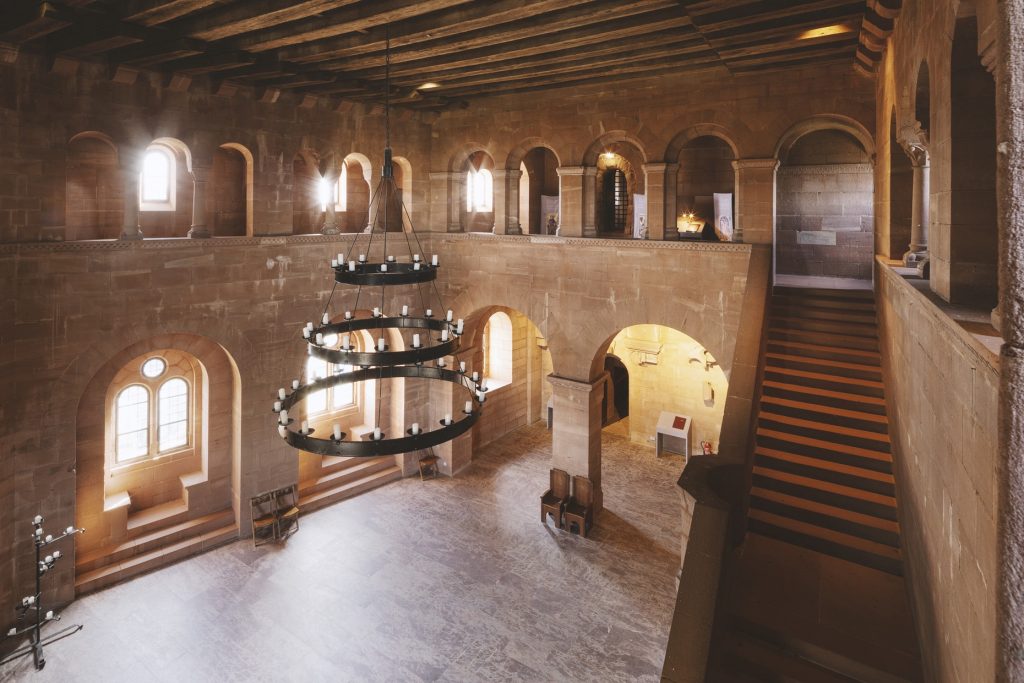
Interest in Germany’s medieval heritage during the 19th century led to renewed efforts to preserve the castle. Major restoration work in the 20th century reconstructed large sections of the fortress based on historical evidence, allowing visitors to experience much of its medieval appearance today.
Inside the castle, replicas of the Imperial Regalia remind visitors of Trifels’ remarkable role in the history of the Holy Roman Empire.

A Castle That Changed History
Many castles are remembered because they survived famous battles.
Others are admired for their architecture or breathtaking views.
Trifels Castle is remembered because, for a brief moment in history, one of Europe’s greatest kings lived within its walls—not as a conqueror, but as a prisoner.
Standing on its ramparts today, it is easy to imagine the uncertainty Richard must have faced as negotiations over his enormous ransom continued. Few castles can claim to have witnessed an event that changed the fate of a kingdom.
More than 800 years later, Trifels remains one of Germany’s most fascinating medieval fortresses—a place where history, power, and legend came together in one unforgettable story.

Вашият коментар