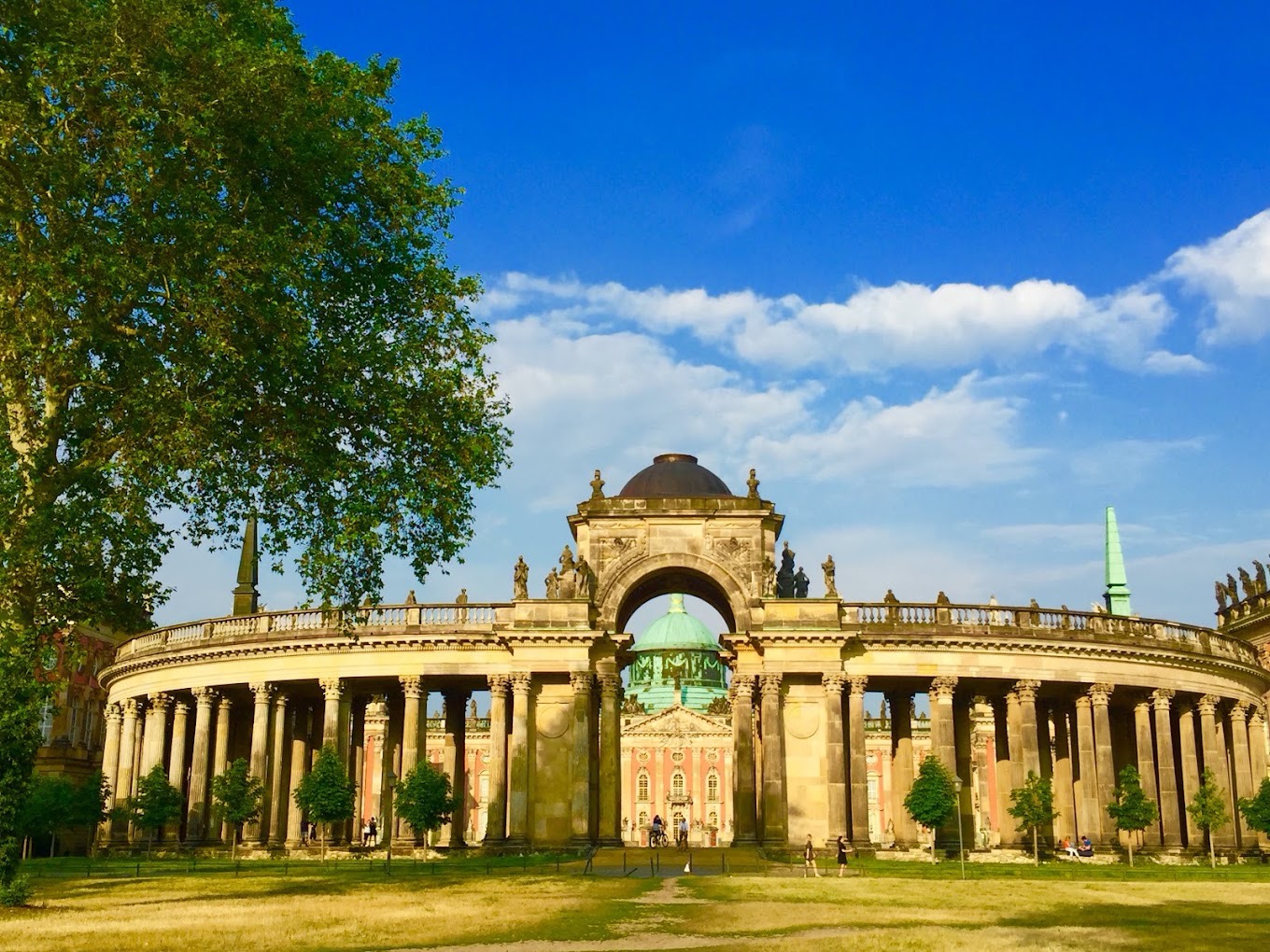
Few royal palaces reveal as much about their owner as Sanssouci Palace. Built between 1745 and 1747 in Potsdam by King Frederick the Great of Prussia, this elegant Rococo residence was never intended to impress foreign ambassadors or display royal wealth. Instead, it was created as a peaceful retreat where one of Europe’s greatest military leaders could escape politics, play music, discuss philosophy, and enjoy the quiet life. Even its name reflects that purpose: Sans souci—French for „without worries.“
A King’s Escape
Frederick the Great spent much of his reign leading armies, reforming the Prussian state, and transforming his kingdom into one of Europe’s leading powers. Yet away from the battlefield, he had very different passions. He admired French culture, played the flute almost every day, exchanged letters with leading Enlightenment thinkers, and dreamed of a place where court ceremony would disappear.
That dream became Sanssouci. Unlike Versailles or many other royal residences, the palace was deliberately intimate. Frederick wanted a home surrounded by nature, overlooking vineyards and gardens, where he could spend time with close friends rather than a large royal court.
Built Around Nature
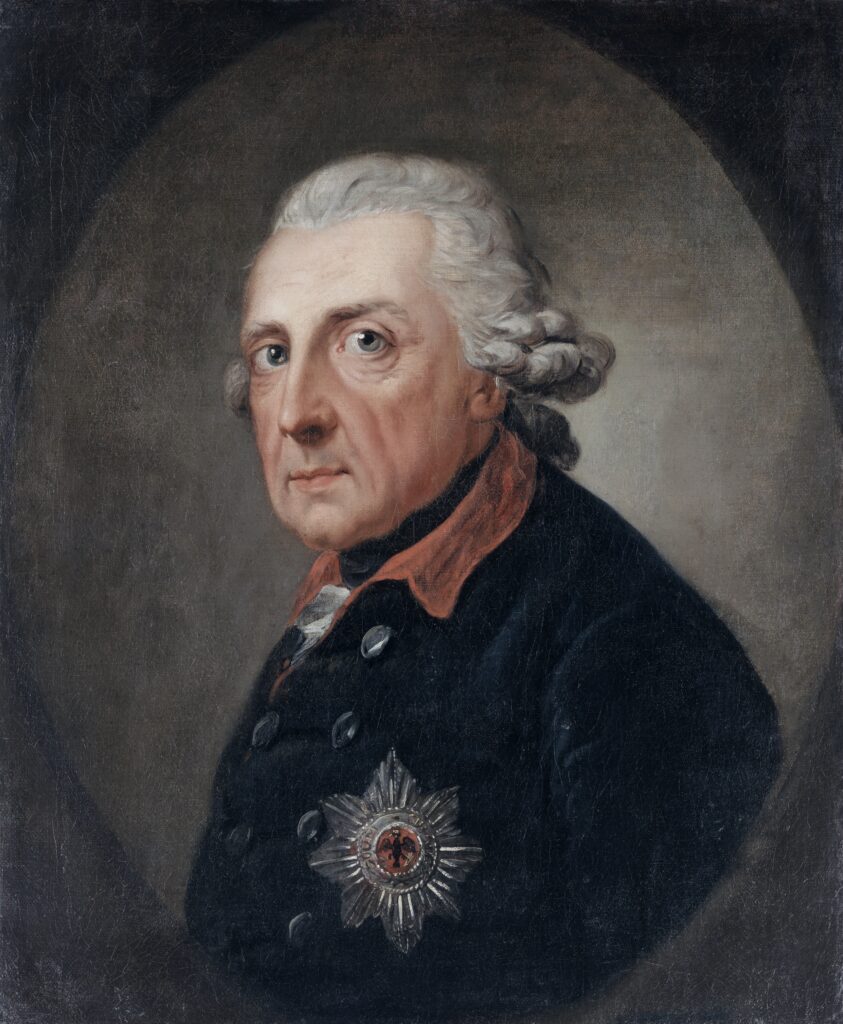
Standing above a series of terraced vineyards, Sanssouci was designed to blend into the landscape rather than dominate it. Frederick personally influenced nearly every aspect of the design, insisting on a single-storey palace with direct access to the gardens. The surrounding park gradually expanded into one of Europe’s finest royal landscapes, filled with temples, fountains, sculptures, orchards, and elegant garden pavilions.
The king often referred to the palace simply as „my little vineyard house,“ a reminder that, despite his immense power, this was meant to be a private refuge rather than a symbol of authority.
Music, Philosophy, and Voltaire
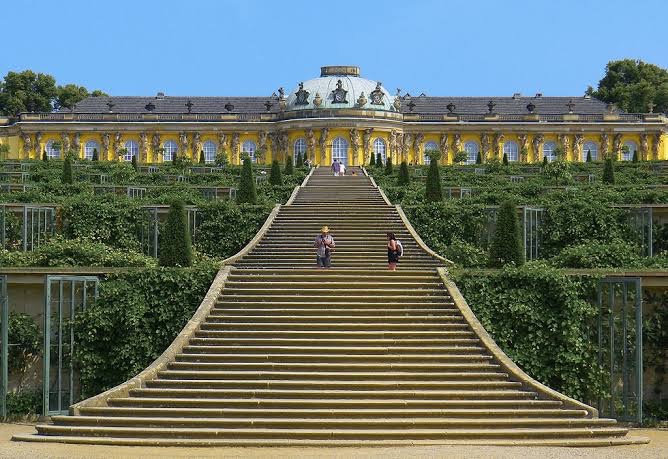
Sanssouci was also a center of Enlightenment culture. Frederick welcomed philosophers, artists, and musicians, the most famous of whom was the French writer Voltaire. The two spent several years corresponding and later lived under the same roof at Sanssouci, debating literature, politics, religion, and philosophy.
Although their friendship eventually ended in disagreement, Voltaire’s stay made the palace one of the most famous intellectual meeting places in eighteenth-century Europe.
Frederick’s Final Wish
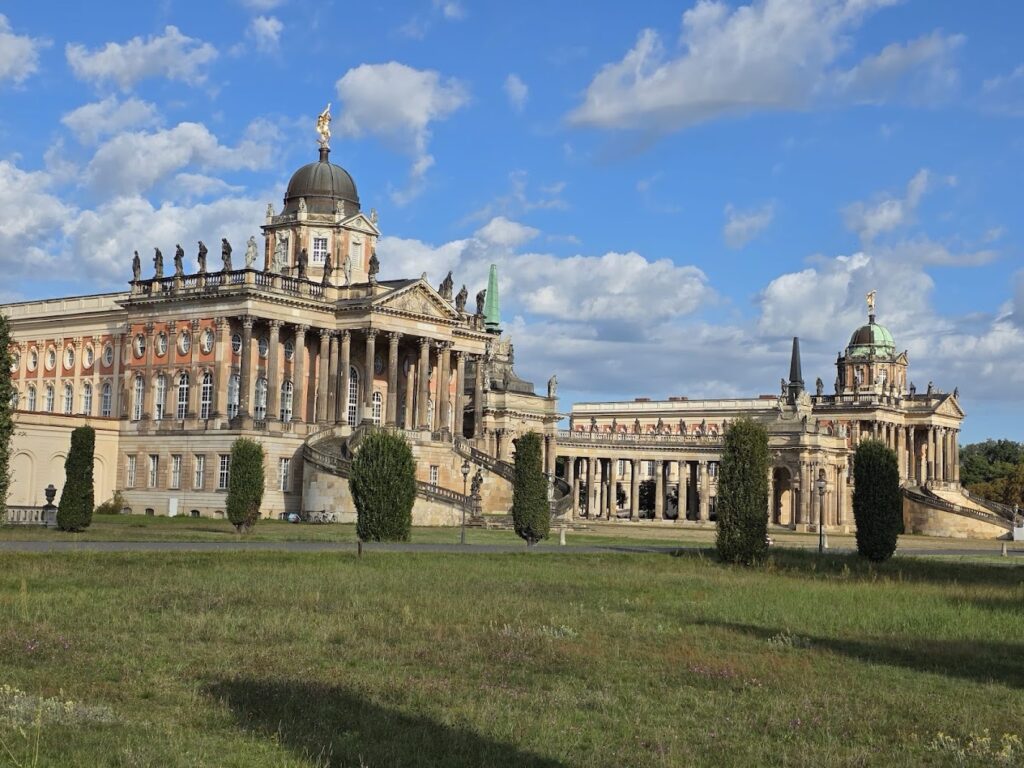
Frederick loved Sanssouci more than any other residence. He hoped to be buried there, overlooking the vineyards he had created.
His wish was ignored after his death in 1786, and for more than two centuries he rested elsewhere. Only after German reunification was his coffin finally returned to Sanssouci in 1991, where he was buried exactly where he had wanted—on the palace terrace, without royal ceremony, in accordance with his final wishes.
One of Germany’s Greatest Palaces
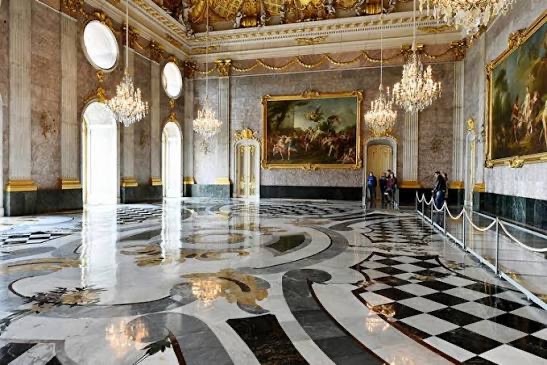
Today, Sanssouci Palace is a UNESCO World Heritage Site and one of Germany’s most visited historic landmarks. While many royal palaces were built to display power, Sanssouci tells a different story. It reflects the private world of a king who, despite commanding armies and shaping European history, longed for a place where he could simply live without worries.
Вашият коментар