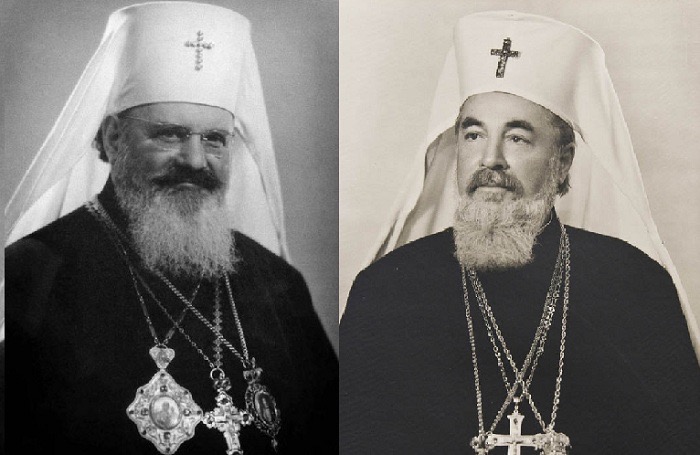
Bulgarian Church save the Jews of Bulgaria during World War II, creating one of the most remarkable rescue stories of the Holocaust. In the spring of 1943, as trains across Europe carried millions of Jews toward Nazi death camps, a different story began to unfold in Bulgaria.
The country was formally allied with Nazi Germany and faced intense pressure to join the systematic deportation of Jews. Plans were already underway to send thousands of Bulgarian Jews to extermination camps in occupied Poland. Yet in an extraordinary turn of events, the deportation of Jews from Bulgaria’s pre-war territory was ultimately halted.
Nearly 48,000 Bulgarian Jews were saved.
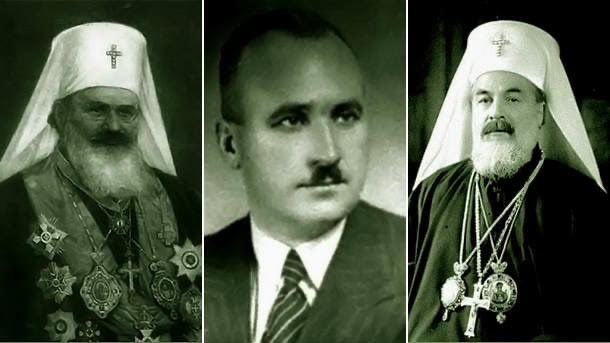
This outcome did not happen by chance. It was the result of pressure from political leaders, ordinary citizens, and courageous voices within the Bulgarian Orthodox Church. Among the most prominent figures were Metropolitan Stefan of Sofia and Metropolitan Kiril of Plovdiv, whose moral stand against injustice helped shape one of the most remarkable rescue stories of World War II.
Bulgaria’s Strategic Position and the Pressure from Nazi Germany
Bulgaria’s position during World War II was strongly influenced by geography. Located at the crossroads of Southeastern Europe, the country held a strategically important position between Central Europe, the Black Sea, and the Mediterranean. Control of Bulgarian territory was important for German military operations in the Balkans, particularly in preparation for campaigns against Greece and Yugoslavia.
By early 1941 Nazi Germany had already established military dominance across much of Europe. German troops were advancing through the Balkans, preparing military operations in the region. Bulgaria, with a relatively small army and limited capacity to resist a major military power, found itself in a vulnerable position.
German diplomatic and military pressure made the situation clear to the Bulgarian leadership. Germany intended to move its troops through the region, and Bulgarian officials were effectively told that the question was not whether German forces would enter the country, but how. German troops could enter Bulgaria peacefully through an alliance, or they could enter as an invading army.
Faced with the threat of invasion and the risk of devastating military conflict on its territory, Bulgaria signed the Tripartite Pact on March 1, 1941. Historians widely agree that the decision was shaped primarily by geopolitical pressure and the desire to avoid the destruction of the country rather than ideological alignment with Nazi policies.
Even after joining the Axis alliance, the Bulgarian government attempted to preserve internal autonomy and avoid deeper involvement in the war whenever possible.
Anti-Jewish Legislation
Under German pressure, Bulgaria introduced anti-Jewish legislation even before joining the Axis alliance.
In December 1940 the Bulgarian parliament adopted the Law for the Protection of the Nation. The law imposed restrictions on Jewish citizens, limiting their participation in certain professions, restricting property rights, and introducing various forms of discrimination.
Despite these legal restrictions, the Jewish community remained deeply integrated in Bulgarian society. Bulgarian Jews lived throughout the country as teachers, doctors, merchants, and professionals. In many towns Jewish and non-Jewish families had lived side by side for generations.
The Deportation Plan
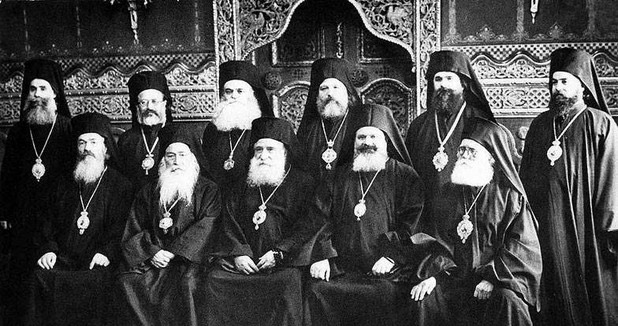
By early 1943 Nazi Germany intensified pressure on Bulgaria to deport its Jewish population.
Alexander Belev, the government’s commissioner for Jewish affairs, signed an agreement with Nazi official Theodor Dannecker to deport 20,000 Jews to extermination camps in occupied Poland.
The plan initially targeted Jews from territories administered by Bulgaria during the war, including parts of Macedonia and Thrace, but it was expected that Jews from Bulgaria’s pre-war borders would follow.
In March 1943 arrests began in several towns. News of the deportation plans spread rapidly and alarmed both political leaders and ordinary citizens.
Dimitar Peshev and the Warning from Kyustendil
One of the key figures in stopping the deportation was Dimitar Peshev, the Deputy Speaker of the Bulgarian Parliament.
Peshev learned about the impending deportations largely through information provided by his sister, Gabriela (often called Galya) Pesheva, who lived in the town of Kyustendil. She warned him that local Jews were being rounded up and that deportation appeared imminent.
Disturbed by the news, Peshev intervened immediately. On March 17, 1943 he organized a protest letter signed by 43 members of parliament demanding that the government halt the deportation of Bulgarian Jews.
This act of political resistance created significant pressure inside the government and became one of the turning points in the unfolding crisis.
The Moral Stand of the Metropolitans
At the same time, leaders of the Bulgarian Orthodox Church took a courageous stand.
Metropolitan Stefan of Sofia publicly defended the Jewish community and appealed directly to the authorities to stop the deportations. He emphasized that persecution and discrimination were incompatible with Christian moral teachings.
Metropolitan Kiril of Plovdiv also intervened when Jews in his city were gathered for deportation. According to testimonies from the period, he confronted the authorities and declared that he would share the fate of the Jewish community if they were sent away.
The voice of the Orthodox Church carried enormous moral authority in Bulgarian society. The actions of the metropolitans helped strengthen public opposition to the deportation plans.
The Decision of King Boris III
King Boris III, Bulgaria’s monarch during the war, faced intense pressure from Nazi Germany to comply with deportation demands.
However, the growing internal opposition—from political figures, church leaders, and public opinion—made the situation increasingly difficult. In the end, King Boris III halted the deportation of Jews from Bulgaria’s pre-war territory.
As a result, approximately 48,000 Bulgarian Jews were not deported to Nazi death camps.
A Tragic Reality
Despite this rescue, tragedy struck elsewhere. Around 11,343 Jews from territories administered by Bulgaria during the war—primarily Macedonia and Thrace—were deported to the Treblinka extermination camp, where most were murdered.
This painful chapter remains part of the historical discussion surrounding the events of 1943.
Why This Story Matters Today
The rescue of Bulgaria’s Jews reminds us that history is rarely shaped by a single decision or a single hero.
It was the result of many actions: the warning delivered by Gabriela Pesheva, the political courage of Dimitar Peshev, the moral leadership of the Orthodox metropolitans, the pressure of public opinion, and the final political decision to halt the deportations.
Together these actions saved tens of thousands of lives.
At a time when the Holocaust devastated Jewish communities across Europe, the events in Bulgaria demonstrate that even under immense political pressure, individuals and institutions can choose to defend human dignity.
Their story remains a powerful example of moral courage in one of the darkest chapters of human history.
Вашият коментар