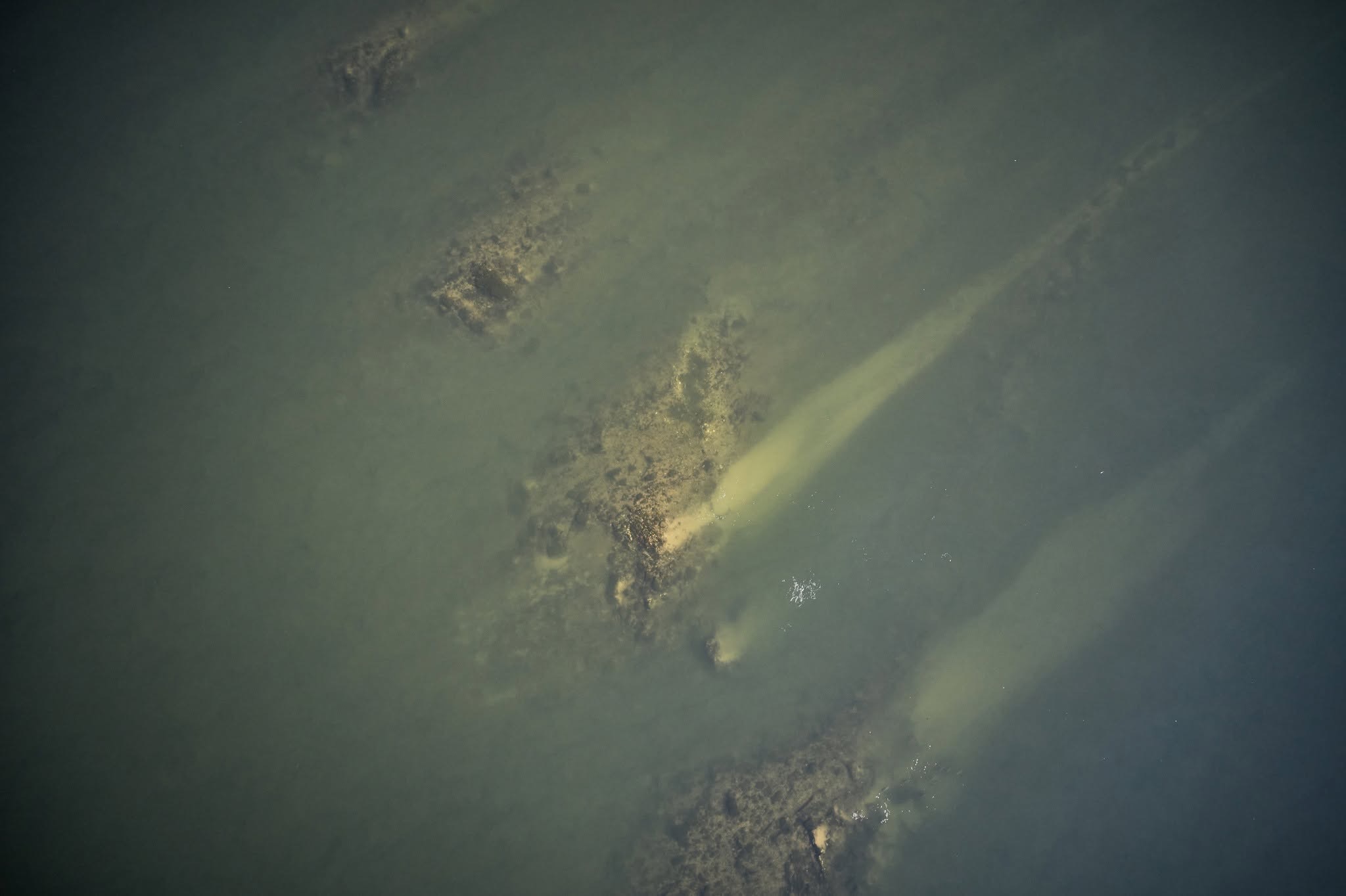
For centuries, the waters of the Danube concealed one of the Roman Empire’s greatest engineering achievements. This week, however, exceptional drought and unusually low water levels briefly revealed parts of Constantine’s Bridge, offering archaeologists a rare opportunity to study a monument that normally lies hidden beneath the river.
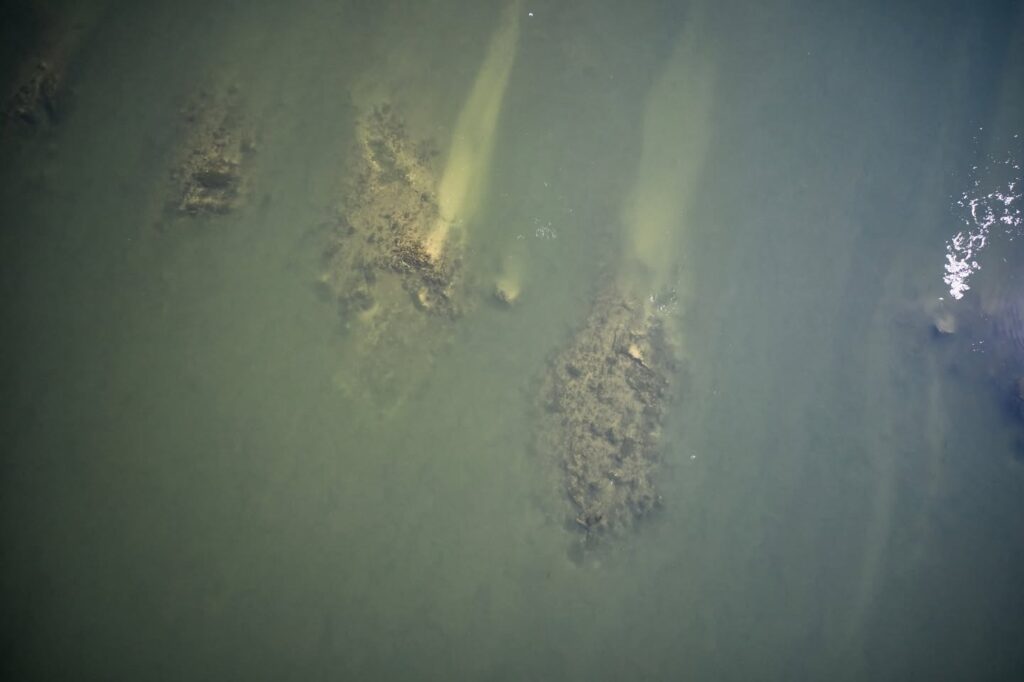
On August 4, archaeologists from the Regional Historical Museum in Pleven documented the exposed bridge foundations near the village of Gigen, the site of the ancient Roman city of Ulpia Oescus. Using drones and aerial photography, they recorded sections of the structure that are usually submerged beneath the Danube. As the museum stated, „Nature gave us this opportunity to photograph and document this historical and cultural treasure.“
Ulpia Oescus – One of Rome’s Greatest Cities on the Danube
The story of Constantine’s Bridge begins with Ulpia Oescus, one of the most important Roman cities in the Balkans.
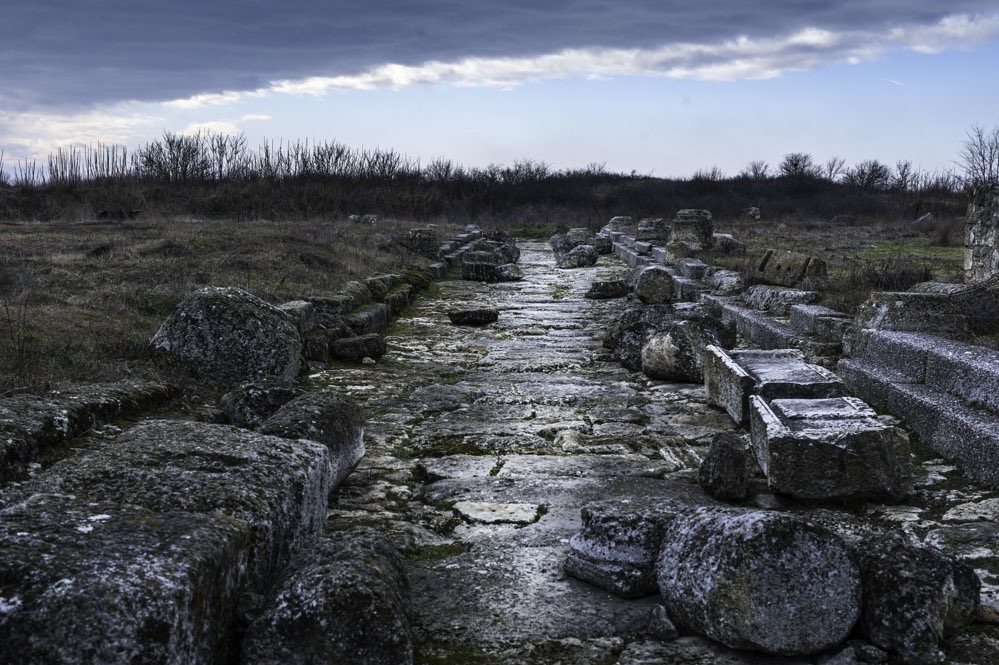
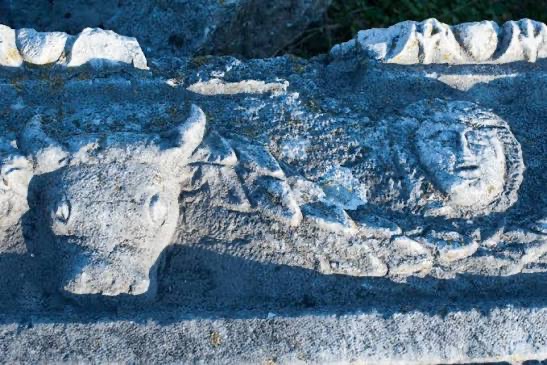
Originally established as a military settlement during the 1st century AD, Oescus grew into a prosperous urban center thanks to its strategic position on the Danube frontier. Under Emperor Trajan, it received the prestigious status of a Roman colony, placing it among the highest-ranking cities in the empire. Wide paved streets, monumental public buildings, temples, baths, luxurious residences, and one of the earliest Christian basilicas in the region reflected both its wealth and its importance.
More than simply a frontier settlement, Ulpia Oescus became a thriving center of commerce, administration, and military operations. Its location made it one of Rome’s principal gateways to the territories north of the Danube.
The Greatest Bridge on Rome’s Northern Frontier
It was from this remarkable city that Emperor Constantine the Great launched one of the Roman Empire’s most ambitious engineering projects.
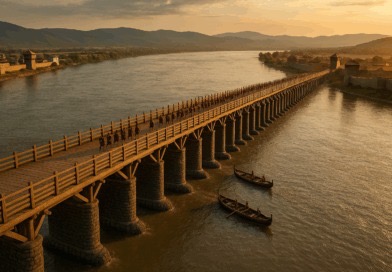
Officially inaugurated on July 5, A.D. 328, Constantine’s Bridge connected Ulpia Oescus, in present-day Bulgaria, with Sucidava, in what is now Romania. Stretching for more than 2 kilometers (1.2 miles), it ranked among the longest bridges ever built in antiquity and remains the longest Roman bridge ever constructed across the Danube.
The bridge was far more than an engineering masterpiece. It allowed Roman armies to move rapidly across one of Europe’s greatest rivers, strengthened communication between the two banks, encouraged trade, and reinforced Constantine’s control over the empire’s northern frontier.
Why Constantine Built the Bridge
The bridge reflected Constantine’s broader vision for the Roman Empire.
Following successful campaigns along the Danube frontier, the emperor sought to restore Roman influence beyond the river. A permanent crossing allowed troops, officials, merchants, and supplies to move with unprecedented speed, while also serving as a powerful symbol of Rome’s engineering skill and imperial authority.
Like many of Rome’s greatest monuments, Constantine’s Bridge was designed not only to solve practical problems but also to demonstrate the strength and confidence of the empire.
Lost Beneath the Danube
Despite its extraordinary scale, the bridge remained in use for only a few decades. Most historians believe it was largely destroyed around A.D. 367, as growing instability along the Danube frontier forced the Romans to abandon many of their northern positions.
Over time, the mighty structure gradually disappeared beneath the river, surviving only in historical sources and archaeological remains hidden below the Danube’s waters.
A Rare Opportunity for Archaeologists
This summer’s exceptional drought has transformed an environmental challenge into an extraordinary archaeological opportunity.
Normally hidden beneath the Danube, parts of Constantine’s Bridge have briefly reappeared, allowing specialists from the Regional Historical Museum in Pleven to document the exposed foundations using drones and aerial photography. Every image and measurement collected during these few days will help researchers better understand the construction, preservation, and scale of one of Rome’s greatest engineering achievements before the river rises once again.
A Bulgarian Treasure of Global Importance
Nearly 1,700 years after its inauguration, Constantine’s Bridge continues to remind us of the extraordinary ambition of the Roman Empire.
Together with the magnificent ruins of Ulpia Oescus, the bridge tells the story of a time when this stretch of the Danube was one of the empire’s most important frontiers. Thanks to nature’s brief intervention, archaeologists have been given a rare opportunity to record one of antiquity’s greatest monuments—before it disappears beneath the waters once again.
Вашият коментар